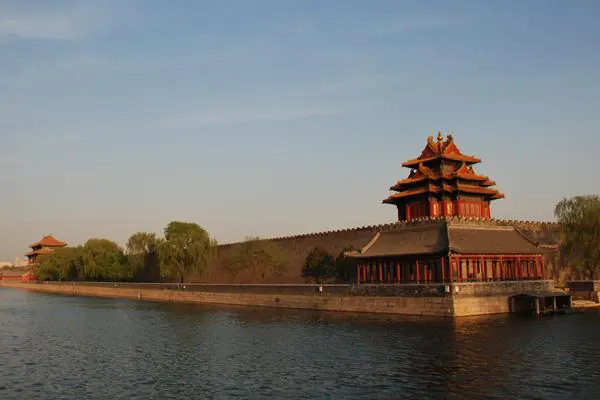
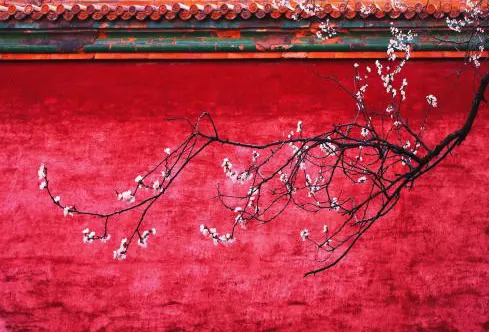
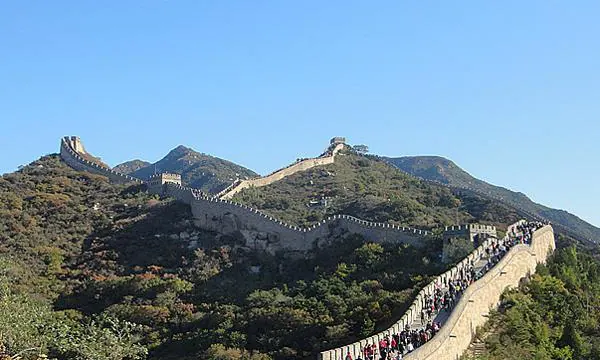
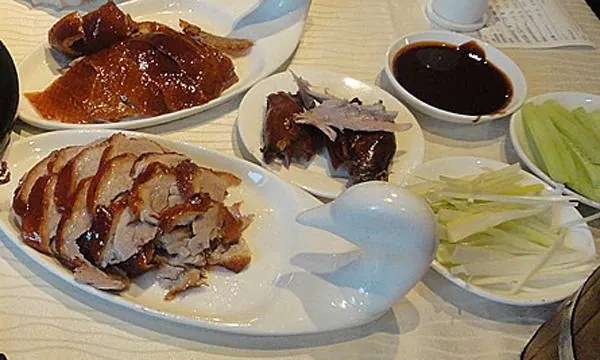
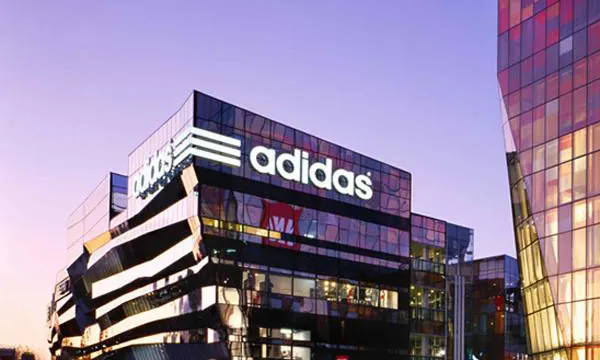
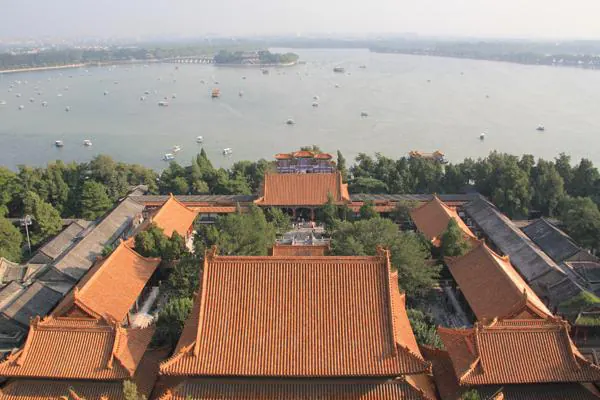
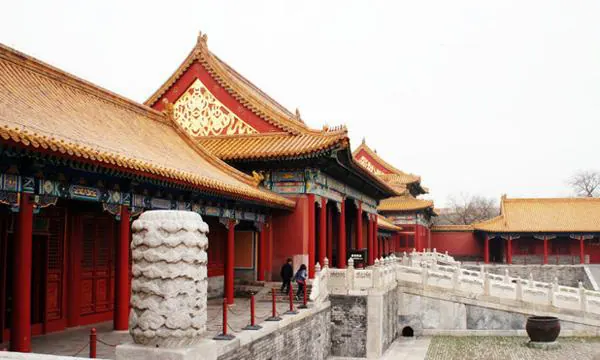
3,000-year capitalA hero on the Great WallDuck & hotpotMetro everywhere
In short
Beijing (北京, Běijīng), China's capital, is a city defined by imperial palaces, hutong alleys, roast duck and the Great Wall. Five days covers the essentials: the Forbidden City, the Great Wall, the Temple of Heaven, the Summer Palace and hutong life. Autumn (September–October) has the best weather; a mid-range trip costs roughly ¥3,000–5,000 excluding long-distance transport.
Key facts
Known for
Imperial city · Great Wall · Roast duck · Hutongs
Budget
¥3,000–5,000 for 5 days, mid-range
Days needed
5 days
Comfort
Comfortable
Best time to go
Autumn (Sep–Oct); temple fairs at Chinese New Year
01What kind of city Beijing is
Beijing, the capital of China. Almost everyone carries a picture of it: the Forbidden City they read about as a child, the hutong alleys they imagine losing themselves in, the Great Wall they dream of climbing while shouting that they, too, are a true hero.
Beijing absorbs everything. Three thousand years of city-building and six dynasties of capital rule packed Chinese culture from the Yuan, Ming and Qing eras into one place, and the city is too layered to describe in a sentence. It lives on the quiet lanes behind the red palace walls, in the turns of the hutongs, along the glass towers of Guomao, and on the brick paths beside Weiming Lake at Peking University. It looks like a modern metropolis, but underneath it keeps an old, nostalgic soul. Wander a surviving hutong, then duck into a steaming hotpot place — that is the real Beijing.
Even the smallest old Beijing hutong now has a generous heart: high culture and street life share the same alley, and the beauty of the mix plays out in full here.
Rediscovering the Beauty of Beijing
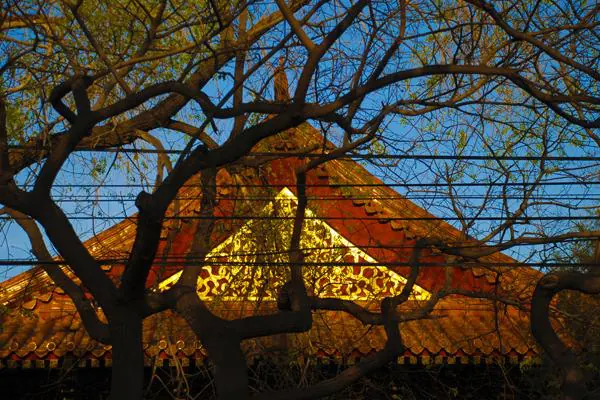
Red walls and new branches
Watch the flag-raising at Tiananmen Square
Climb the Great Wall at Badaling
Eat proper Peking roast duck
Get lost in the hutongs
See an exhibition at the 798 Art District
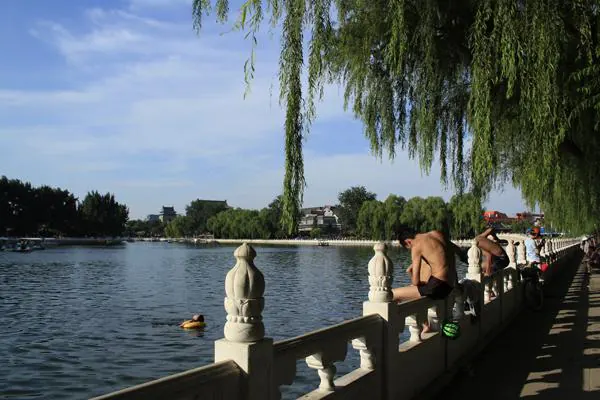
Sit by Shichahai lake with a pot of tea
02Six experiences that define a first trip to Beijing
Climb the Great Wall
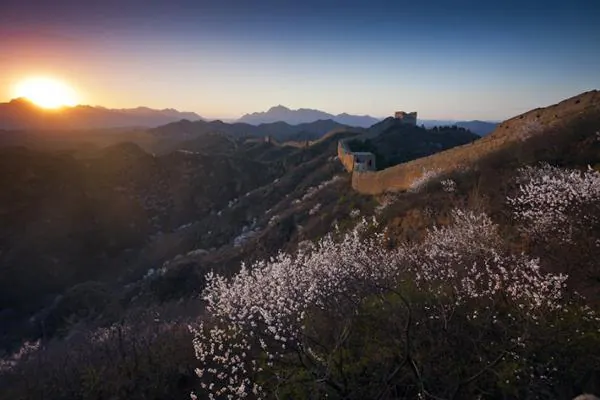
The saying goes: you are not a true hero until you reach the Great Wall. Badaling is the best-restored stretch of the Ming wall and the easiest to reach — which also makes it the most crowded. If you know only Badaling, you know one wall out of many; Jiankou, Mutianyu and Jinshanling each have their own character, with fewer people and wilder views.
The wall riding the ridgeline
Walk the hutongs
Around Guozijian, Wudaoying and Nanluoguxiang you will meet rickshaw drivers happy to talk about the city for hours, old courtyard houses, and small private kitchens. The most direct way to feel old Beijing is simply to walk the criss-crossing alleys — that is the city's pulse.
Eat a whole roast duck
The dish you cannot skip. Quanjude, Bianyifang and Da Dong each represent a different school — hung-oven, closed-oven and the modern crispy-skinn approach — and comparing them is half the fun. Book ahead; the famous houses fill up every night.
A duck fresh off the board
Gallery-hop at 798
798 was China's first and is still its most mature art district, carved out of an old electronics factory complex that now hosts more than a hundred galleries, studios and design shops. Painting, photography, installation and performance shows run year-round — walk in with no plan and let the doors pull you in.
Nights out in Sanlitun
The shorthand for Beijing nightlife and the front line of its fashion scene, dense with bars, restaurants and boutiques. One warning from locals: whatever you do until 2 a.m., you will pay for it the next morning.
Glass and neon in Sanlitun
Get lost in the Forbidden City
Behind the massive walls lie centuries of palace intrigue, and the scale still surprises first-time visitors. Walk the central axis for the classic route — about three hours — then dip into the side palaces if your legs hold up. Entry is by timed reservation only, so book ahead; see the sights chapter for details.
Red walls, golden roofs
03Beijing travel questions: prices, weather, shopping and when to go
When is the best time to visit Beijing?
Autumn first. September and October are crisp and clear, and late October into early November turns the Fragrant Hills red — the city's best-known foliage season. The second window is December to mid-February, when temple fairs around Chinese New Year fill the parks. Summer is hot and humid; spring is pleasant but occasionally dusty with wind.
Is Beijing expensive?
Less than you might expect. Metro rides cost a few yuan, meals range from street food to mid-range restaurants, and entrance tickets are modest by world-landmark standards. A comfortable mid-range day — including a decent hotel — runs about ¥600–1,000 per person; backpacking on ¥300–400 a day is realistic.
Where should I go shopping in Beijing?
Wangfujing, Qianmen Dashilan and Xidan are the classic shopping streets; Guomao and Sanlitun are the modern ones. For antiques and curio-hunting head to Liulichang or the Panjiayuan market; for bargain garment trading it is hard to beat Silk Street (Xiushui).
Is Beijing dry?
Yes — noticeably so for anyone used to coastal climates. The city has four sharp seasons with most rain falling in summer, and autumn and winter air is dry. Pack moisturizer and lip balm, and drink more water than you think you need.
Do I need to book Forbidden City and Great Wall tickets in advance?
Yes. The Forbidden City sells no same-day tickets: they are released 7 days ahead at 8 p.m. and sell out in minutes in high season. Badaling can be booked online or bought on site, but booking is still the safer play. Book everything you can before you arrive, and bring your original passport — at most sights it is scanned as your ticket.
Which train station do I arrive at in Beijing?
Beijing has several mainline stations. Most high-speed trains arrive at Beijing South; conventional overnight trains mostly use Beijing Station; trains from the west and southwest usually terminate at Beijing West. Every major station is tied into the metro network, so just check which station is printed on your ticket.
Is Beijing tiring to visit with kids or elderly parents?
Not if you pace it. The Forbidden City, Temple of Heaven and Summer Palace all have shuttle carts or boats to save walking, and Badaling has cable cars both ways. A good rhythm is one big sight in the morning and one relaxed stop — a park, a hutong, a museum — in the afternoon, staying out of the midday sun.
Which museums in Beijing are worth visiting?
The National Museum of China, on the east side of Tiananmen Square, is free with an online reservation and closed on Mondays; the Palace Museum itself is the biggest museum of all. The Capital Museum and the China Science and Technology Museum are also excellent — the latter is a full-day hit with children.
04Beijing itineraries: how to spend 1 to 5 days
One day: Forbidden City → Houhai → Sanlitun
With a single day, stay in the old city. Do the Forbidden City's central axis only — about three hours, entering from the south and exiting north — have lunch near Jingshan, then drift through the hutongs down to Houhai for an afternoon by the water. End with dinner and a stroll in Sanlitun.
D1
Forbidden City → Jingshan Park → Houhai (Shichahai) → Sanlitun
Two days: add Tiananmen and the hutongs
Two days covers both faces of the city — the imperial one and the modern one — with enough slack for a long hutong walk and a late-night snack street.
D1
Flag-raising at Tiananmen → Forbidden City → Nanluoguxiang → Houhai
D2
Wangfujing → Sanlitun (or a midnight run to Guijie food street)
Five days: the full Beijing
When you are not rushing, Beijing gets generous. Beyond the two obligatory sights there is room for hutongs, food streets, the Panjiayuan curio market, lakeside afternoons and an evening performance — the way locals actually spend their weekends.
D1
Tiananmen Square → Forbidden City → Nanluoguxiang → Houhai
D2
Mutianyu (or Badaling) Great Wall → Wangfujing → Sanlitun
D3
798 Art District → Lama Temple → Wudaoying hutong
D4
Summer Palace → Old Summer Palace → the campus edge of Tsinghua and Peking University
D5
Temple of Heaven → Qianmen Dashilan → Panjiayuan (weekends) or Fragrant Hills (autumn)
Looking down on the Forbidden City
05Beijing's sights: the Forbidden City, the Great Wall and the imperial gardens
Forbidden City (Palace Museum)Must-see
The imperial palace of the Ming and Qing dynasties, home to 24 emperors and the largest surviving palace complex on earth. The central axis alone takes about three hours; the side palaces and the Treasure and Clock galleries fill a second visit. Entry is by timed reservation only — book ahead, enter at the Meridian Gate and exit north.
Badaling Great WallMust-see
The best-restored stretch of the Ming wall and the origin of the 'true hero' saying. Fame and good maintenance have a price: in high season the ramparts are a river of people. Start early, or pick Mutianyu or Jinshanling for quieter stone.
Temple of HeavenMust-see
Where the Ming and Qing emperors prayed for good harvests — a ritual complex four times the size of the Forbidden City, laid out as a square within a circle to mirror heaven and earth. Come early in the morning: locals practising taichi, singing opera and playing chess give the park a life the buildings alone don't.
Summer PalaceMust-see
The largest and best-preserved imperial garden in China, centred on the Tower of Buddhist Incense above Kunming Lake, with a 728-metre Long Corridor stitching pavilions to the shoreline. Allow at least half a day; entering from the north gate walks you from Suzhou Market Street down to the lake.
Lama Temple (Yonghegong)Worth the trip
Prince Yong's residence before he became the Yongzheng Emperor, converted into a Tibetan Buddhist monastery in 1744 — the highest-ranking lamasery in the city. The ginkgo avenue at the entrance turns entirely golden in autumn, one of Beijing's great seasonal sights.
Jingshan ParkEasy add-on
The hill directly facing the Forbidden City's north gate. Climb the pavilion on top for the classic panorama — the golden roofs of the central axis spreading out beneath you — and stay for the evening lights.
Beihai ParkEasy add-on
The imperial lake garden northwest of the Forbidden City, part of the historic Three Seas. The white dagoba reflected in the water is the one from the children's song every Chinese person knows. Boating, the dagoba and the lakeside walk make it an easy half-day.
Prince Gong's MansionWorth the trip
'One mansion, half the history of the Qing dynasty.' Built by the infamously corrupt minister Heshen and later given to Prince Gong, it mirrors the dynasty's arc from splendour to collapse. It sits right by Shichahai, so pair it with an afternoon around the lakes.
National Museum of ChinaFree, reserve ahead
On the east side of Tiananmen Square, walking you from ancient China to the present in one vast building. Free with an online reservation; closed Mondays. Like the Forbidden City, its slots vanish fast in high season.
Old Summer Palace (Yuanmingyuan)History in person
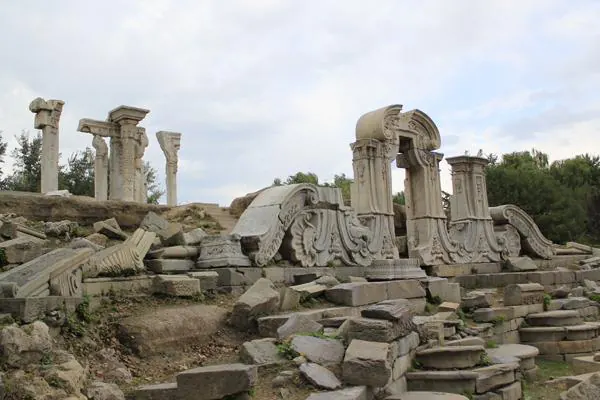
The Qing emperors' garden of gardens, burned by Anglo-French forces in 1860 and never rebuilt. People come less for the landscaping than for the ruins themselves — the Great Fountain of the Western Mansions is the image every history book uses.
Bird's Nest & Water CubeModern landmark
The 2008 Olympic stadium and aquatics centre, facing each other across the northern end of the central axis. The structures are worth a daytime look, but they earn their keep at night, lit up over the Olympic Green.
798 Art DistrictFor art lovers
A decommissioned electronics factory turned art district — a hundred-plus galleries, studios, bookshops and cafés under saw-tooth roofs. There is no metro station at the gate, so come by bus or taxi; half a day is enough, with the densest programme on weekends.
06Flag-raising, temple fairs, crosstalk and opera: things to do in Beijing
The flag-raising ceremony
Solemn and strangely moving: the honour guard marches out of the Tiananmen gate, crosses the Golden Water Bridge and Chang'an Avenue, and raises the flag at dawn. The exact time shifts with sunrise every day, so check it the night before and arrive early — the front rows fill up an hour or more in advance.
Temple fairs
Chinese New Year turns Beijing's parks into fairgrounds — Ditan (Temple of Earth), Longtan Lake, Chaoyang Park and the Grand View Garden host the biggest ones. Expect folk rituals, snack stalls and craft sellers in a wonderfully noisy crush of locals.
Crosstalk and Peking opera
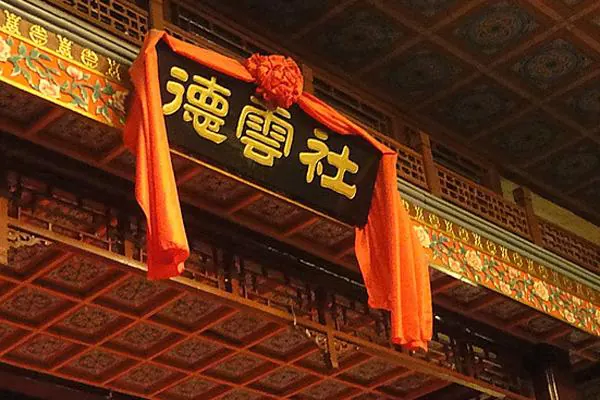
Crosstalk (xiangsheng) is Beijing's comedy tradition — the Deyunshe theatres offer tourist-friendly prices and two hours of laughs even without perfect Mandarin. Peking opera packs song, dance and acrobatics into one art form; the Liyuan Theatre and similar venues stage excerpts nightly. Even without following the libretto, the costumes, makeup and percussion carry the show.
Nights around Houhai and Nanluoguxiang
The bars around Houhai occupy converted courtyard houses with red lanterns at the door — quieter and more local than Sanlitun. Nanluoguxiang's eight symmetrical hutongs hide the Central Academy of Drama, the former home of writer Mao Dun, and small shops that stay open late.
Evening water at Shichahai
07Where to stay in Beijing: courtyard hotels, hostels and business chains
Beijing has rooms at every level, from grand old hotels to budget chains. For independent travellers the sweet spot is the Drum Tower–Shichahai–Nanluoguxiang belt: walkable at night, proper breakfasts in the morning, and Metro Lines 2 and 8 at the door. Rough price levels (checked Oct 2026): budget ¥250–450 a night, mid-range ¥500–900, upscale from ¥900.
Hostels around the Drum TowerBackpacker pick
The location does the work: minutes from the Drum and Bell Towers, Nanluoguxiang, Yandai Xiejie and Houhai, with food on every corner. Rooftop terraces look over grey courtyard rooftops to the towers — the classic old-Beijing wake-up view.
Courtyard hotels on NanluoguxiangMost distinctive
Boutique conversions of real courtyard houses, done by designers and written up in the international press. Sleeping behind your own courtyard with grey tiles and pigeon whistles overhead is as atmospheric as Beijing gets — book early in high season.
Budget chainsValue
The national chains (Home Inn, Hanting, 7 Days) are everywhere in Beijing, with very dense coverage. Pick a branch on Metro Line 2 or around Dongsi / Dongzhimen for easy commutes and late returns.
Grand hotels on Chang'an AvenueClassic
The Beijing Hotel and its peers sit at the south end of Wangfujing, steps from Tiananmen — history and an unbeatable location in one. Right for travellers who would rather spend on position and walk to the Forbidden City.
08What to eat in Beijing: roast duck, hotpot and old-school snacks
Beijing eats well and always has. Douzhir (fermented mung-bean drink), chaogan, quick-fried tripe, luzhu stew, rolled millet cake, pea-flour pudding — you need not love them all, but give the duck and the hotpot at least one serious sitting. Qianmen, Wangfujing, Huguosi, Houhai and Niujie are where the old snacks concentrate.
Peking roast duckMust-eat
Fruitwood-roasted until the skin turns lacquer-red and the fat renders away. The classic hung-oven house is Quanjude; Bianyifang keeps the older closed-oven method; Da Dong and Siji Minfu are the modern favourites locals actually queue for.
Old Beijing mutton hotpotMust-eat
Paper-thin mutton swished in a copper pot of clear broth, dipped in sesame paste. The ritual matters: tripe first, then meat, vegetables in three rounds, noodles last. Donglaishun is the famous name, Nanmen Shuanrou the local favourite, and Jubaoyuan on Niujie the connoisseur's pick.
Old Beijing snacksLocal flavour
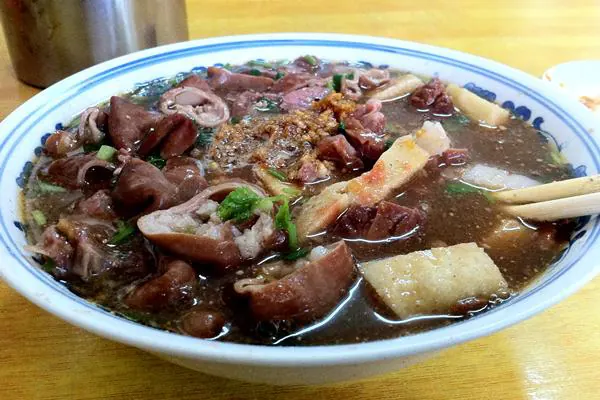
Luzhu (stewed pork offal with baked wheat cake) is a meal in a bowl; chaogan is a thick, starchy pork-liver stew; baodu is quick-fried tripe, crisp and clean-tasting; douzhir, the fermented mung-bean drink, repels half of all visitors on first sniff — and hooks some on the second try. Huguosi Snacks, Xiaochenshao, Yaoji Chaogan and Baodufeng are the storied names.
Where to eat: Guijie, Qianmen and Niujie
Guijie (Ghost Street) is the famous one — spicy crayfish, frog and grilled fish served till dawn. Qianmen street is lined with century-old brands like Quanjude and Duyichu. Niujie is the Muslim-quarter food street, home to Jubaoyuan hotpot and Dashunzhai's caramel pastries. Wudaoying near the universities is known for Korean food and cheap eats.
Guijie, Dongzhimen Inner Street: late-night crayfish and grilled fish; expect queues at Huda
Qianmen Street: Quanjude duck, Duyichu shaomai, Laoshe Teahouse with opera performances
Huguosi Street: douzhir, pea pudding and rolled cakes in one stop
09Beijing shopping: old brands, markets and shopping districts
Beijing shops for every budget: international brands around Dawanglu and Sanlitun, garment bargains at Silk Street, old-Beijing craft at Dashilan, antiques at Panjiayuan. For gifts that survive the suitcase, start with the list below.
Daoxiangcun pastries: the southern-style bakery of record since the Guangxu era; the 'eight Beijing pastries' box is the classic gift
Ergotou liquor: Red Star and Niulanshan, clean and strong, sold in every supermarket
Liubiju pickles: a Ming-era brand with a soy-pickle cult following
Tianfuhao braised pork knuckle: rich but not greasy, vacuum-packed for travel
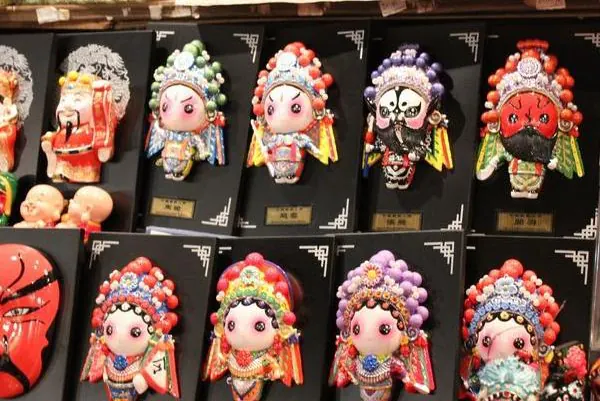
Tu'er Ye figurines: the painted clay rabbit-god of Beijing, best found at Panjiayuan and Liulichang
Painted by hand
Panjiayuan Curio MarketTreasure hunting
Half flea market, half open-air museum: antiques, old books, socialist-era relics and reproductions side by side. Even serious non-shoppers lose half a day here. The weekend dawn sessions — the legendary 'ghost market' — are when dealers unpack the good stuff; look more than you ask.
DashilanOld Beijing street
The city's oldest and most storied shopping lane, running west from Qianmen. The silk house Ruifuxiang, cloth-shoe maker Neiliansheng, Liubiju pickles, Zhangyiyuan tea and Tongrentang pharmacy all keep shops here — and the storefronts are half the attraction.
Silk Street (Xiushui)Hagglers' rite
'Climb the wall, see the palace, eat the duck, haggle at Xiushui' — the fourth item on the classic list. Garments, silk and bags at aggressively negotiable prices; the bargaining theatre is half the fun. Opening quotes run several times the real price, so start low.
10Getting to Beijing and getting around: flights, trains and the metro
By air
Beijing has two international airports: Capital (PEK, about 25 km northeast of downtown) and Daxing (PKX, about 46 km due south, opened 2019). Both connect to the city by airport express rail and shuttle buses. Daxing is the far one — allow an hour or more into town — and it is worth double-checking which airport your flight uses before booking a hotel.
By train
Beijing's rail traffic splits across several stations: most high-speed services arrive at Beijing South, conventional trains at Beijing Station, and western services at Beijing West. Book on 12306 (website or app); foreign passengers can register with a passport and enter stations by scanning the original document.
Beijing South: Beijing–Shanghai and intercity high-speed lines; Metro Line 4
Beijing West: southbound and inland trunk routes; Metro Line 9
Beijing Station: conventional and northeast services; Metro Line 2
Beijing North (Xizhimen): Metro Lines 2, 4 and 13
Getting around
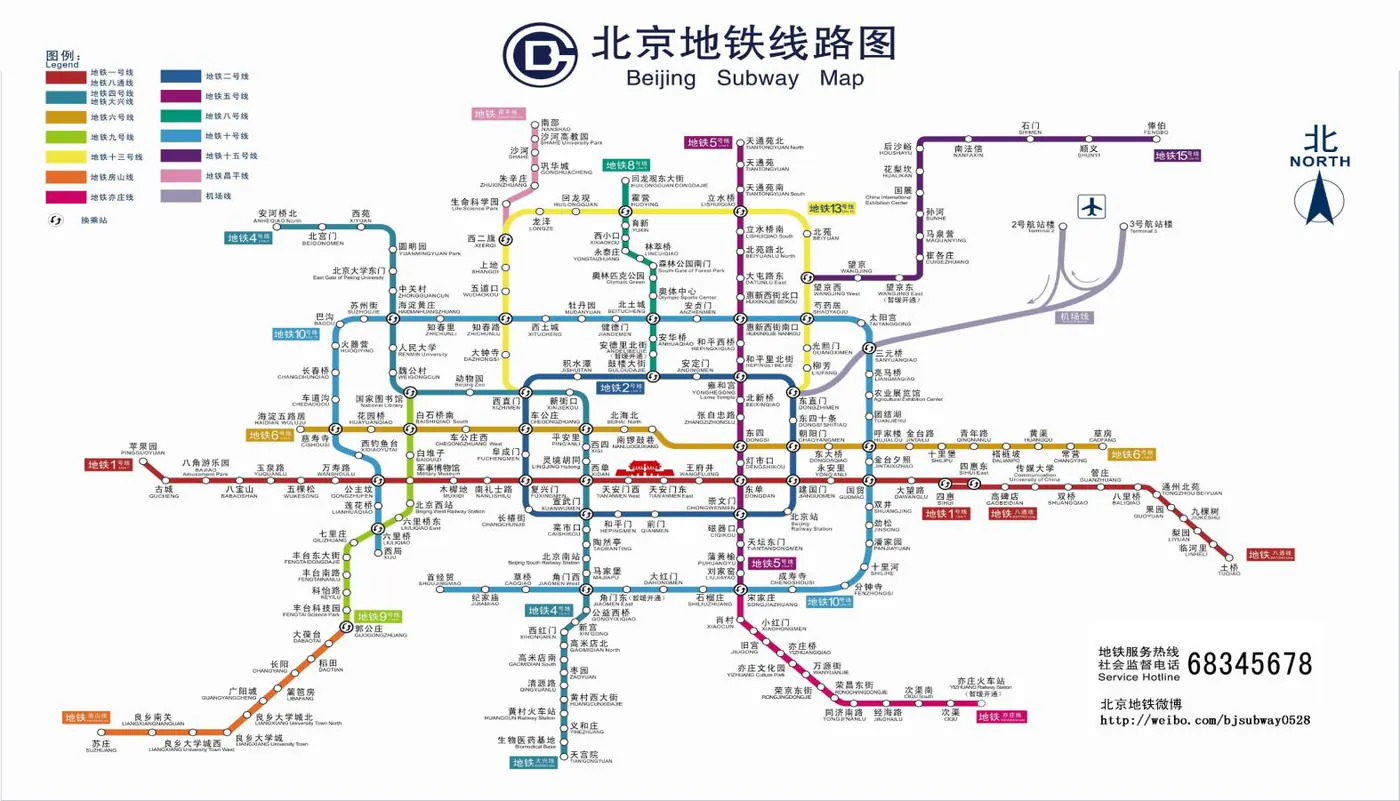
The metro is Beijing's most reliable way to move: distance-based fares of roughly ¥3–8 per ride (checked Oct 2026), with transport cards, QR codes and foreign contactless cards accepted. Most lines wind down before 23:00 — late nights mean last trains or taxis. Taxis and ride-hailing (Didi) are plentiful and queued properly at airports and stations. Buses reach everywhere but crawl in rush hour; use them for short, unhurried hops.
The Beijing metro network
Driving into Beijing on non-Beijing plates requires a temporary entry permit and compliance with traffic-restriction rules, which change often — check the current policy before you go. For most visitors a car in the city centre is more burden than help.
11Practical information for Beijing: emergency numbers and services
Peking Union Medical College Hospital (Dongcheng) and Peking University Third Hospital (Haidian) are the top general hospitals
The Beijing Tourist Information & Distribution Center on Qianmen West Street, beside Tiananmen Square, advises on legitimate day tours
Consumer complaints 12315 — use it for unlicensed taxis and touts
Currency exchange exists at airports and some hotels but rates lag banks; change larger sums at a bank branch
12Beijing tips that save you time: booking windows, tickets and common traps
Your original passport is your ticket: most sights scan it at the gate and reject photos or copies — carry it every day
Forbidden City tickets drop 7 days ahead at 20:00 and vanish in minutes in season; set an alarm — other hot museums work the same way
Monday closures are the rule for museums including the Forbidden City and National Museum (public holidays excepted) — plan around them
Avoid cabs without a proper roof light ('black cabs') — overpriced and uninsured; use metered taxis or ride-hailing
Most metro lines stop before 23:00 — plan the ride home after a late night; a taxi beats waiting for a night bus
Autumn and winter air is very dry — moisturizer matters more than you think; in summer carry sunscreen and water
Luggage: the Forbidden City has a left-luggage office by the ticket booths, with free transfer between the south and north gates
13Why Beijing looks the way it does: three thousand years of history
History
Beijing has been a city for over 3,000 years and a capital for over 800. The Zhou enfeoffed the state of Yan here in the Western Zhou; the Jin dynasty made it its capital, Zhongdu, in 1153; under the Yuan it became Dadu, capital of all China, and the Ming and Qing emperors rebuilt it on the grand scale whose frame the city still follows. Anglo-French forces sacked it in 1860 and the Eight-Nation Alliance again in 1900, carting off treasures in both rounds. It has been the capital of the People's Republic since 1949. Its many names — Jicheng, Yanjing, Youzhou, Zhongdu, Dadu, Jingshi, Shuntianfu, Beiping — read like a timeline.
Geography and climate
The city sits at the northwest edge of the North China Plain, walled in by the Western Hills (a spur of the Taihang range) and the Jundu Mountains (the Yan range), which curve together around the small plain the city occupies. The climate is continental monsoon: hot, wet summers; cold, dry winters; short springs and autumns. About 80 percent of annual rain falls in summer.
Religion and culture
Beijing's temples, mosques and churches are living places of worship, not just heritage: the Lama Temple (Tibetan Buddhism), White Cloud Temple (Taoism), Niujie Mosque (Islam) and a string of Catholic and Protestant churches remain active. As a six-dynasty capital it holds more imperial palaces, gardens, altars and tombs than any other Chinese city, and it remains the country's education capital around Peking and Tsinghua universities.
The birth of Peking opera
In 1790 four Anhui troupes arrived in the capital to perform for the emperor's birthday. Their hui melodies merged with hanpi tunes from Hubei and borrowed freely from Kunqu and Shaanxi opera, and out of that fusion grew a new form. Over two centuries it absorbed ever more Beijing dialect and sensibility until it became the national stage art the West named Peking Opera.
14Trips beyond Beijing: Jinshanling Great Wall and the Saihanba grasslands
Jinshanling & Miyun Reservoir (2 days)
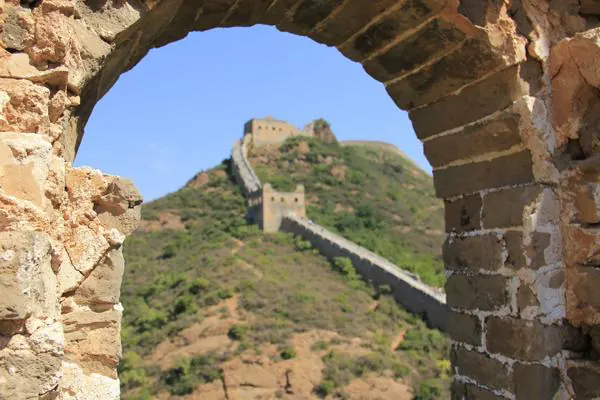
If you have already done Badaling and Mutianyu, the connoisseur's wall is Jinshanling — at sunset the stone runs gold, grand and delicate at once, and far fewer people climb it. Pair it with the lakeside at Miyun Reservoir for a two-day loop. It lies inside Hebei, some 140 km out, which is exactly why it stays quiet.
Jinshanling through a tower window
D1
Beijing → Jinshanling Great Wall (sunset) → overnight in Miyun
D2
Whole-fish lunch at Miyun Reservoir → Heilongtan gorge → back to Beijing
By car, take the Beijing–Chengde expressway to the Jinshanling exit and follow the signs — about 140 km each way. Without a car, bus 980 from Dongzhimen reaches Miyun town, then hire a local car for the final leg. Bring mosquito repellent for the lakeside and a jacket: days and nights differ sharply.
Sunset at Miyun Reservoir
Saihanba grasslands (3 days)
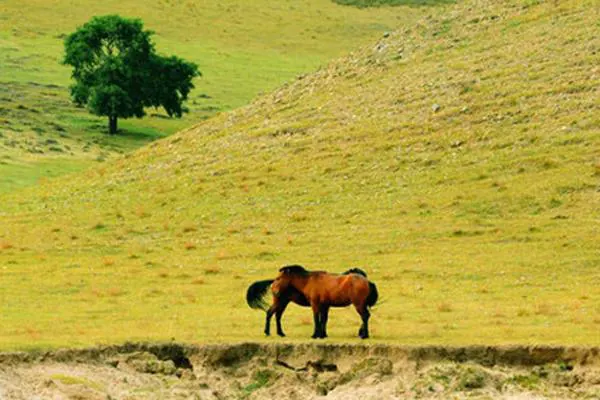
This was the Mulan hunting ground of the Kangxi Emperor — 'source of rivers, home of clouds, world of flowers, ocean of forest', as the local saying goes. In autumn the grasslands turn sheet-gold, and the horse farm country around Hongshan carries an almost European alpine look.
Grassland on the Bashang plateau
D1
Jixie Forest Farm → source of the Luan River → Huamugou → Hamaba
D2
Taifeng Lake → Hongshan Horse Farm → Wild Duck Lake → General's Pond
D3
Moon Lake → Seven-Star Lake → the Grand Canyon → back to Beijing
By public transport, take a train from Beijing North to Siheyong, then minibuses to Weichang town and onward shuttles — slow but possible. Driving via the Beijing–Chengde expressway is far easier. Base yourself around Jixie Forest Farm and the horse farm; roast lamb is the thing to eat, and portions are enormous, so order less than you think.
15Beijing in books, films and songs
Film: In the Heat of the Sun (1995, dir. Jiang Wen) — teenage life in a military compound, and the most sun-drenched Beijing summer ever filmed
Book: City Gate Open (Bei Dao) — returning after thirteen years away, the poet rebuilds the demolished courtyards, hutongs and temples in words
Book: Moment in Peking (Lin Yutang, 1939) — an English-language saga of three Beijing families from the Boxer years to the war
Song: 'Beijing Beijing' (Wang Feng) — rock anthem about hearing the city's heartbeat in its streets
Song: 'Winter in Beijing' (Lao Lang) — a warm, faintly wistful winter tune