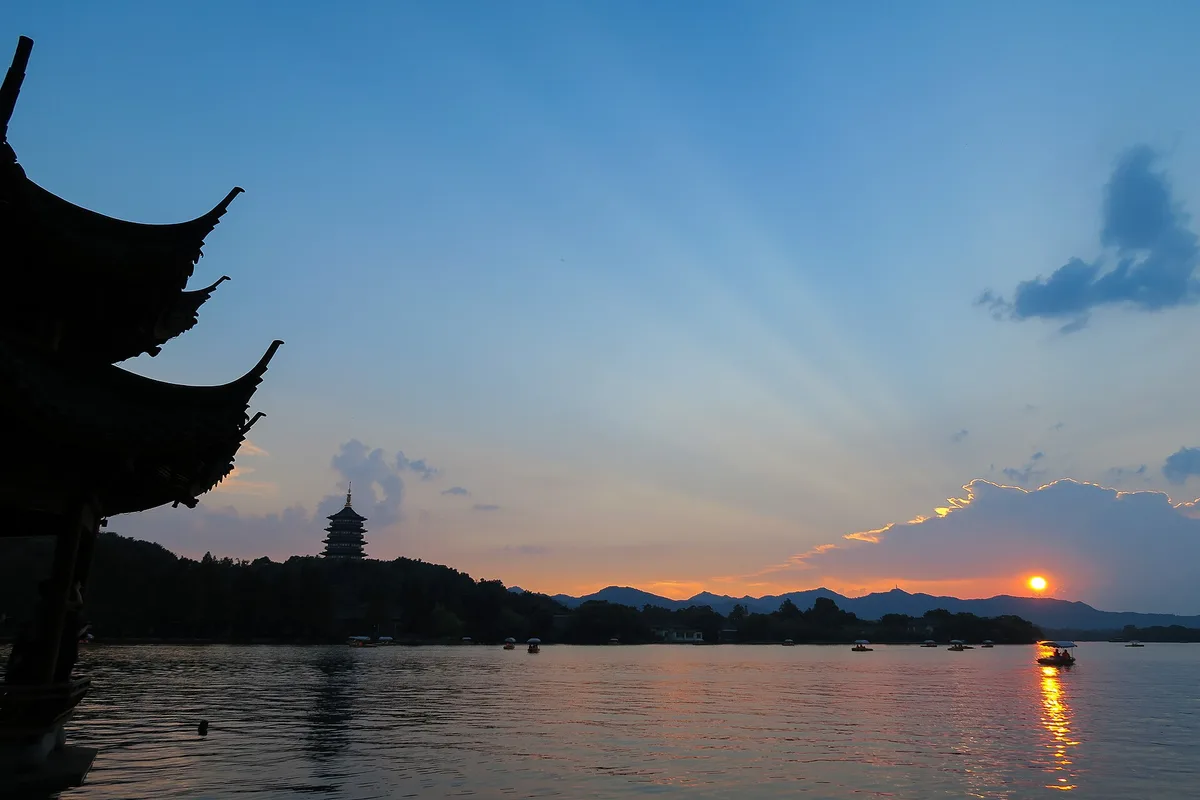
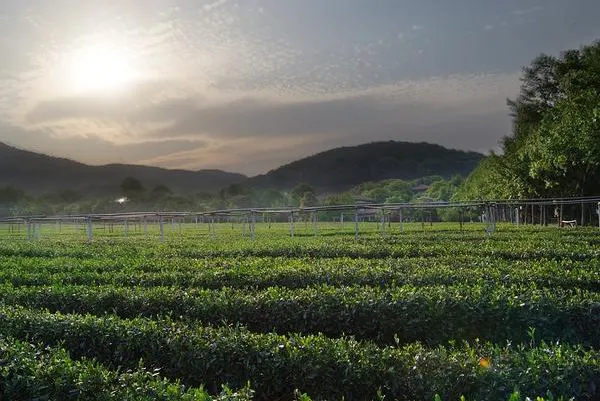
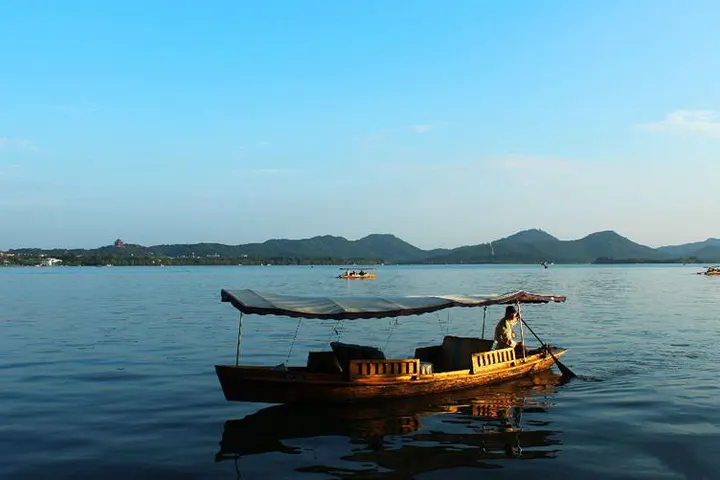
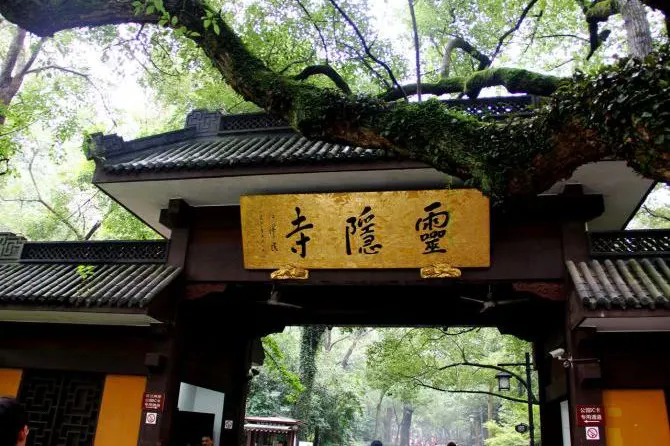
A free lakeTea hillsWater-town day tripsMetro everywhere
In short
Hangzhou (杭州, Hángzhōu), capital of Zhejiang and one of China's seven ancient capitals, pairs a West Lake free to walk end to end with tea hills and temples in the nearby mountains — and the Qiantang tidal bore arriving on schedule every autumn. Three days covers the lake circuit, Lingyin Temple and Feilai Peak, a long tea session in Longjing Village and a night at Songcheng. Spring (March–May) and autumn (September–November) are finest; a mid-range trip costs roughly ¥1,200–2,500 for 3–5 days excluding long-distance transport.
Key facts
Known for
West Lake · Longjing tea · Lingyin Temple · Jiangnan water towns
Budget
¥1,200–2,500 for 3–5 days, mid-range
Days needed
3–5 days
Comfort
Comfortable
Best time to go
Spring (Mar–May) and autumn (Sep–Nov); osmanthus and the tidal bore in autumn
01What kind of city Hangzhou is
In heaven there is paradise; on earth, Suzhou and Hangzhou. Two millennia of fame rest on West Lake, with the White Snake and Butterfly Lovers adding romance. If Hangzhou were a person, she would be a well-read young lady with bright eyes — beautiful without ever trying to be.
West Lake is the city's living room: Broken Bridge, the Su and Bai causeways and Leifeng Pagoda ring ten kilometers of free lakeshore. Tea hills and Lingyin Temple hide to the southwest, Xixi wetland spreads west, and every autumn the Qiantang bore draws crowds.
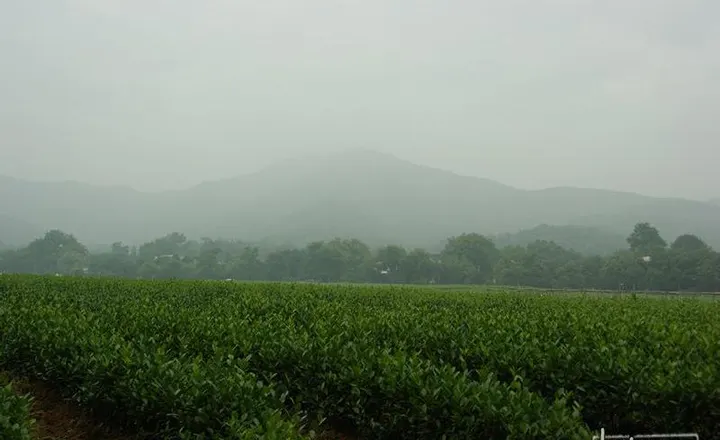
A village deep in the tea hills
Love it or not, Hangzhou is there, and West Lake is there — as they have been for two thousand years.
"West Lake Through the Seasons, Hangzhou on the Table"
Hangzhou rewards slowing down over box-ticking: a morning walk along the shore, an afternoon cup of fresh Longjing, an evening wait for the glow on Leifeng Pagoda. Give it three or four days, not one.
02Six things worth remembering
Circling West Lake on foot or by bikeThe lake that costs nothing
West Lake sits right in the city, fully open with every lakeshore sight free. Walk or ride from North Hill Road to South Hill Road and back along Yang Gong Causeway — stroll a stretch, rest, repeat.
Lingyin Temple and Feilai PeakWhere immortals hide
Lingyin, 'where immortals hide', is a working monastery deep in the woods, always full of incense. Beside it, Feilai Peak — of Ji Gong fame — carries more than 300 Buddhist carvings. Free since December 2025, but book a timed slot a day ahead.
Tea tasting in Longjing VillageTea in the bowl
The finest West Lake Longjing grows around the eighteen imperial tea bushes below Lion Peak. Every house keeps a tea garden, and families brew fresh cups on the house — drinking is free, buying optional, haggling expected.
The Romance of the Song Dynasty at SongchengA day, a thousand years
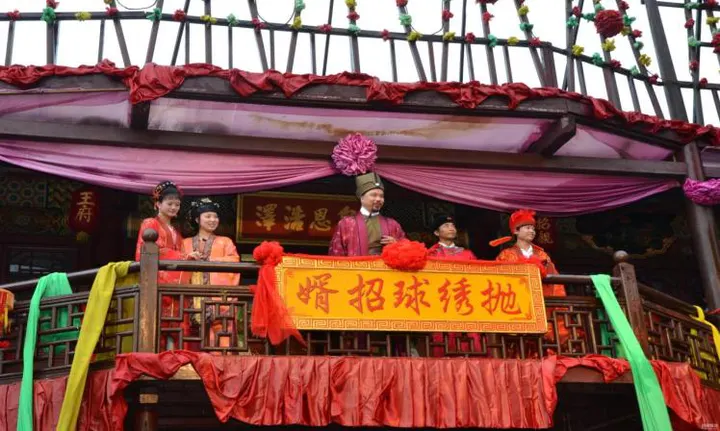
Songcheng is one of China's most-visited theme parks: the 'strange street' and shadow-puppet shows fill an afternoon, and the hour-long Song Dynasty Romance finale — rotating stage and water curtains — plays to full houses.
Hefang Street and Hu Qing Yu TangA rebuilt Song street
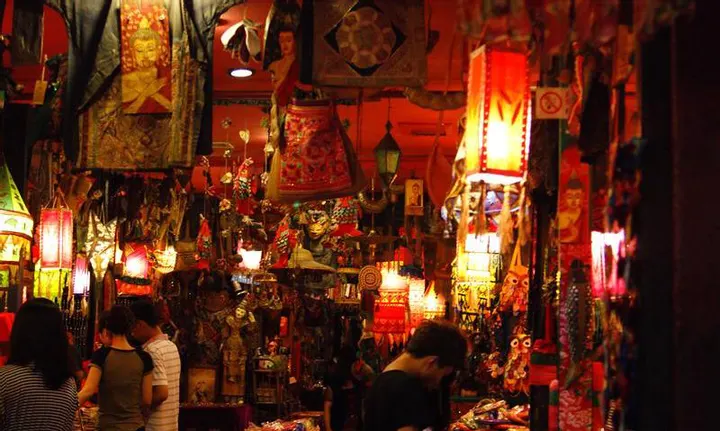
Hefang Street (also Qinghefang) is a rebuilt Song-era shopping street, thick with souvenir stalls and snack shops. The stop worth making is Hu Qing Yu Tang midway, the century-old pharmacy founded by Hu Xueyan, where locals still fill prescriptions.
Hubin nights and the musical fountainThe lake at night
Hubin Road runs into the bar strip of South Hill Road, the heart of Hangzhou nightlife — pick a live-music joint and watch the lake lights, with a free light show on weekend evenings.
03The questions everyone asks first
When is Hangzhou at its most beautiful?
Spring and autumn. Cherry blossom and tulips fill Taiziwan Park in March–April; autumn brings the osmanthus and the year's biggest tides. Summer is humid, winter damp-cold but quiet — a snowfall turns Broken Bridge into the fabled 'melting snow' scene.
What's the best way to see West Lake?
The whole shore is free — walk or bike with stops. To land on Three Pools Mirroring the Moon buy an official pier boat ticket (around ¥55–70); skip the freelance rowboats. Short on time? Sightseeing carts cost ¥10 a leg, ¥40 the loop.
How do I buy Longjing tea without getting ripped off?
Genuine West Lake Longjing comes from the core villages of Longjing, Wengjia Hill and Manjuelong. Decline the aunties offering 'tea tours'. Go straight to a grower, taste first, and haggle a third to half off. Top pre-Qingming lots run into thousands per 500 g, pre-rain tea ¥200–600, and anything absurdly cheap is not the real thing.
Is accommodation easy to book during holidays?
Tight. In the March–October high season lakeside hotels add ¥40–80 on weekend nights, and Golden Week rooms vanish without early booking. Reserve ahead, or stay around Wulin Square.
Is the metro convenient, and what does it cost?
A dozen lines cover the main sights. Fares run ¥2 for the first 4 km, with 1-day (¥15) and 3-day (¥40) unlimited passes. QR codes and UnionPay cards all work at the gates.
Where should I eat proper Hangzhou food?
For the classic first visit, Lou Wai Lou by the lake does the real trio at tourist prices. Locals lean on the affordable chains Grandma's Home, New White Deer and Green Tea; Gaoyin Street is a block of respected kitchens, and the Zhiweiguan flagship does the xiaolongbao and pian er chuan.
Which water town should I visit — Wuzhen, Xitang or Nanxun?
All within an hour by rail. Wuzhen is the most polished, famous for its lit-up West Scenic Zone (¥150); Xitang has the strongest everyday life, its rain corridor covering the whole town (¥85–95); Nanxun's streets are free and least crowded. Stay overnight if you can.
04One, two or three days
With one day, distill Hangzhou to its essentials: Lingyin in the morning, the lake in the afternoon, Hefang Street after dark. Two days buy a slow tea session in Longjing or Meijiawu; three add a boat in Xixi wetland.
D1
The classic day: reach Lingyin early — Feilai Peak carvings first, then the halls while the incense is fresh — and stay for the vegetarian lunch. In the afternoon walk the Yang Gong, Su and Bai causeways, Broken Bridge and Hubin Road, hopping on a boat when your feet complain. Dinner on Gaoyin Street (book ahead), then a stroll through Hefang Street.
D2
Tea, day two: drink fresh Longjing at a grower's table in Longjing Village — visit the eighteen imperial tea bushes if you fancy — or choose Meijiawu for a country lunch. Afterwards wander Qinghefang and the Southern Song Imperial Street. End with the Qianjiang New Town light show or live music on South Hill Road.
D3
Slow day three: take a morning boat into Xixi wetland among reeds and old villages; return to climb Leifeng Pagoda for the sunset glow, with the evening bell of Jingci Temple next door. Around the eighteenth of the eighth lunar month, give this day to the tidal bore. Finish at the Hubin musical fountain.
05From West Lake to the Qiantang
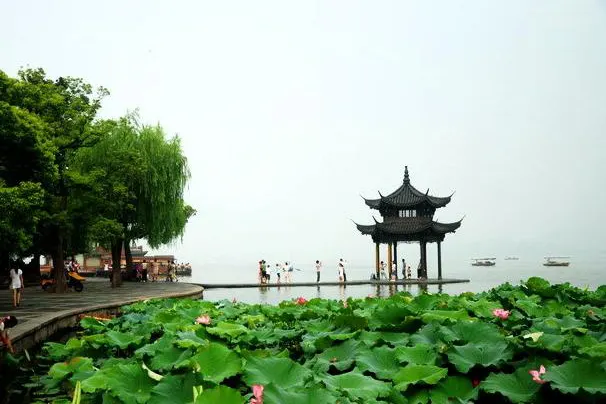
The lake pavilion above a summer lotus pond
West Lake
Su Shi compared it to the beauty Xizi: lovely plain, lovelier adorned. The lake is arranged around one hill, two pagodas, three islands and three causeways, with its classic and newer 'ten views' folded between. The shore is free around the clock; Metro L1 Longxiangqiao leaves you minutes from the water.
The classic line runs Broken Bridge — Bai Causeway — Solitary Hill — Su Causeway — Fish Viewing at Flower Pond, five to seven kilometers. Official boats to Three Pools Mirroring the Moon cost ¥55–70 with island landing. Leifeng Pagoda charges ¥40; go up around 16:30 for the glow.
Lingyin Temple and Feilai Peak
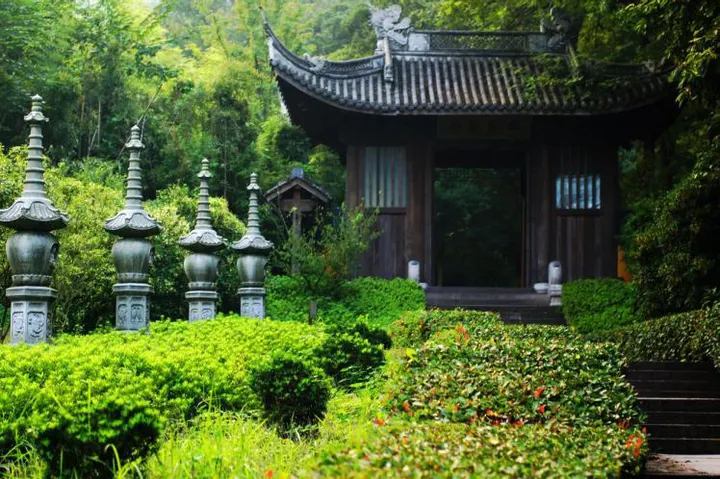
Stone stupas and courtyards below Feilai Peak
Founded in the Eastern Jin, Lingyin ranks among China's ten great monasteries; the cliffs of Feilai Peak carry 300-plus Buddhist statues. Since December 2025 the whole zone is free, but reserve a slot a day ahead on the official mini-program (7:30–17:30). Come early to beat the tour groups, and try the vegetarian refectory.
Longjing Village and Meijiawu
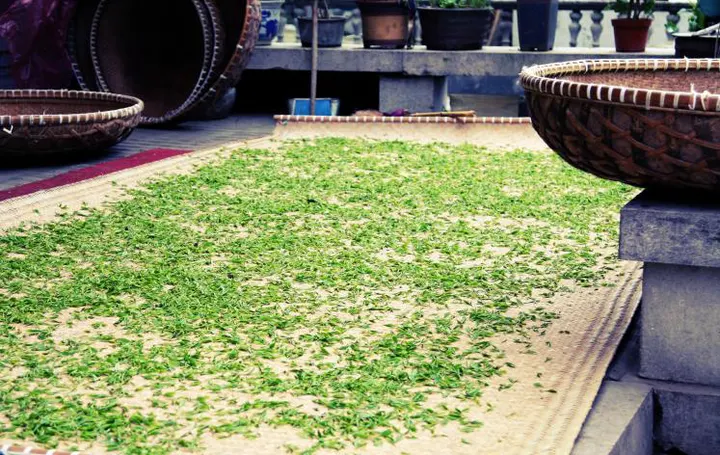
Fresh Longjing leaves resting before firing
Longjing Village sits in the heart of the West Lake Longjing zone, below the eighteen imperial tea bushes made famous by the Qianlong Emperor (visit ¥10). Every house is a tea family: tasting is free, buying up to you. Meijiawu, the 'ten li of plum dales', is the farm-stay version. A tea seat costs about ¥30–100, and plucking season is the time to come.
Xixi National Wetland Park
'Xixi, stay' — the line from the film If You Are the One made this wetland famous. Walk in spring, watch the reed snow of autumn and hunt plum blossom in winter. The gated core costs about ¥70–80, the electric boat ¥60, combined ¥120–140; the outer causeways are free. A bus or Metro L3 reaches the entrance.
The Qiantang River and Six Harmonies Pagoda
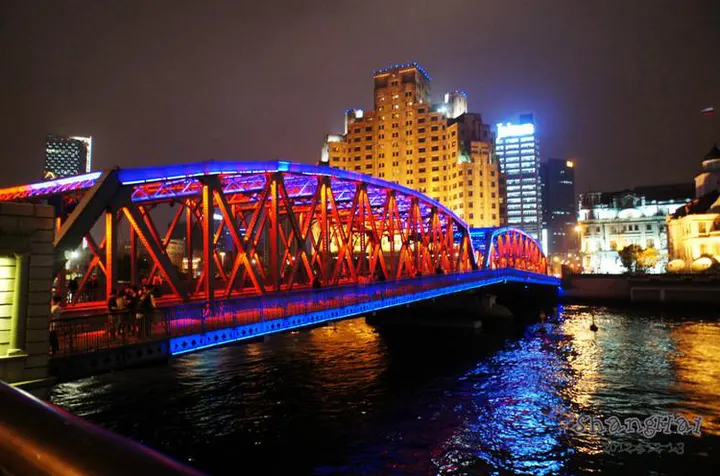
Night falls over the Qiantang River
Built in 970 to tame the Qiantang bore, Six Harmonies Pagoda shows thirteen wooden eaves outside and seven brick storeys within, World Heritage listed in 2011. Entry is ¥20 with the climb a further ¥10 (combined ¥30); the top frames the river bridge. The bore peaks around the eighteenth of the eighth lunar month (28 September 2026) — watch from the free City Balcony or Yanguan in Haining.
Hefang Street and the Southern Song Imperial Street
Qinghefang, once the city's busiest quarter, is now a rebuilt Song-style street — shadow puppets, dingsheng cake, the old Hu Qing Yu Tang pharmacy. A block north, Gaoyin Street is wall-to-wall restaurants. Free, best at dusk.
06Time your trip to an event
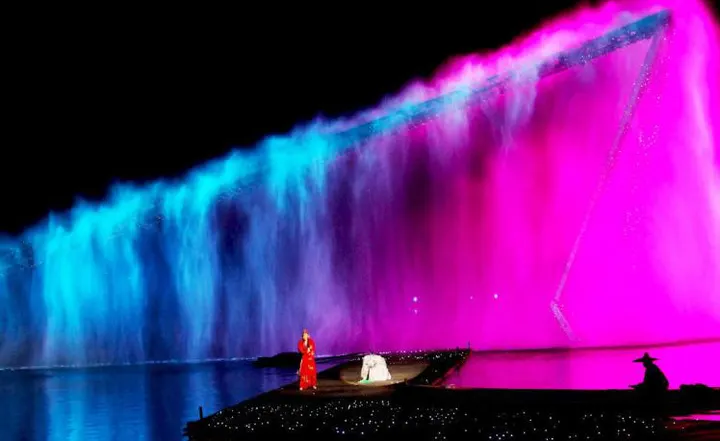
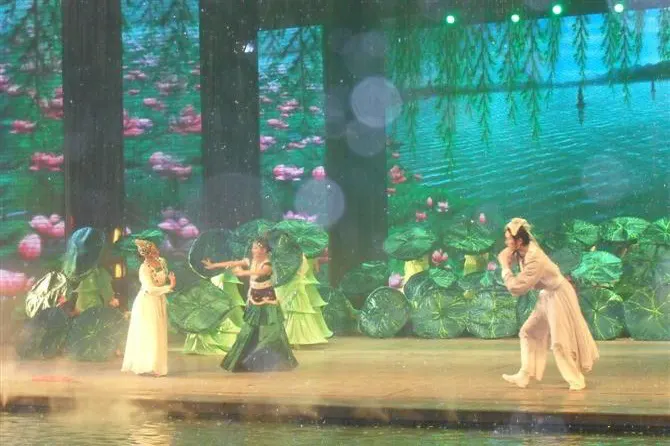
A stage set on the water of West Lake
The Romance of the Song Dynasty
Songcheng's signature revue runs several times daily — sixty minutes of rotating stage and holograms, the best-selling show in town. Tickets with park entry: ¥320 regular, ¥350 VIP, ¥580 sofa; night-park-only from ¥89.9. Book ahead in season.
Enduring Memories of Hangzhou (Impression West Lake)
A show staged on the lake itself, created for the G20 summit, plays nightly opposite Yue Fei Temple (first show around 19:40), from about ¥330. Bring repellent on summer nights.
Chasing the Qiantang tidal bore
'The tide of the eighteenth, spectacle beyond compare.' The bore peaks between the fifteenth and twentieth of the eighth lunar month (25–30 September 2026), with strong tides around each new and full moon. In town the free City Balcony shows the classic line tide and Meinvba in Xiaoshan the returning bore; for the full pilgrimage go to Yanguan in Haining (¥30, 25 minutes by rail). Watch only at official points.
Blossom season at Taiziwan Park
Taiziwan Park is free and Hangzhou's spring headline act: late March into early April, cherry trees blooming with the tulips. Go on a weekday morning.
West Lake Music Festival and the anime fair
The West Lake Music Festival runs twice a year (May, and late October into November) on the Taiziwan lawns; the anime festival takes over Baihu Lake in late April or early May. Dates shift — check official announcements.
07From lakeside hostels to lake-view suites
Hangzhou covers every budget. Luxury hotels cluster around Wulin Square and the lake; mid-range chains spread through the university district and Wushan Square; hostels and guesthouses gather in three pockets — Sijing Well (a 10–15 minute walk to Su Causeway), Qingzhiwu and the lanes near Lingyin. Book ahead for weekends and holidays.
Hangzhou International Youth Hostel: on South Hill Road, 50 m from the lake, the city's oldest hostel; beds from about ¥55, often full.
Wushan Yi International Youth Hostel: below Wushan hill, quiet and central; beds from about ¥45.
Pod Inn West Lake: off Shuguang Road, minutes from Su Causeway, a solid budget chain from about ¥108.
Xizi Hotel (Wangzhuang): at the foot of Leifeng's sunset slope, lake at the doorstep, from about ¥660.
08Hangzhou cooking: fresh and refined
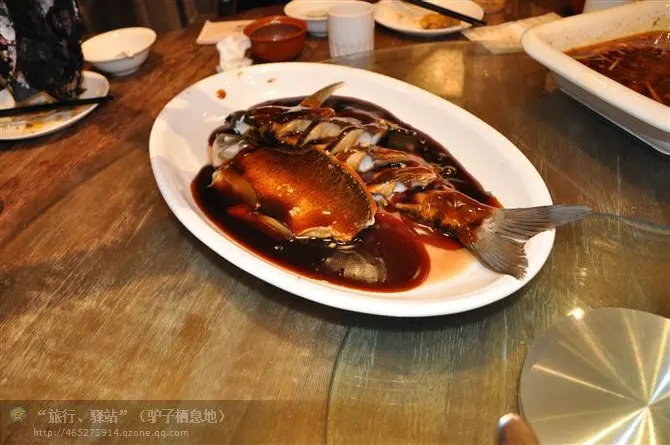
Hangzhou belongs to Zhejiang cuisine, defined by a light, fresh hand — seasonal produce, freshness with salt. First-timers can tick off the trio at a single table.
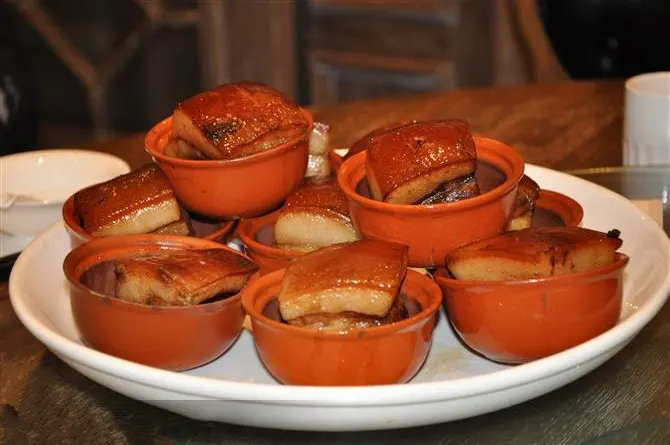
Dongpo pork, glossy and tender
Five dishes to hunt down
Dongpo pork: braised pork said to be Su Shi's gift to the causeway builders — crimson, spoon-tender, never greasy.
West Lake vinegar fish: carp fasted a day or two, poached minutes, dressed in sweet-sour sauce with a faint crab sweetness.
Longjing shrimp: river shrimp stir-fried with pre-Qingming Longjing, the tea's perfume in each bite — the city's signature.
Pian er chuan noodles: broth noodles with pickled greens, bamboo shoots and pork — the everyday breakfast.
Dingsheng cake and cong bao hui: eat the just-steamed rice cakes warm; cong bao hui are crisp scallion pancakes with sweet bean sauce, ¥5–15.
Stews arrive one clay pot at a time
Restaurants worth the queue
Lou Wai Lou (30 Gushan Road): the century-old grand dame on the lake shore — the classics done properly at tourist prices, worth the wait.
Zhiweiguan (Renhe Road flagship): the revered old brand; excellent xiaolongbao and pian er chuan, about ¥36 pp.
Grandma's Home: the beloved budget chain — fast service, hour-long queues at peak.
Green Tea Restaurant (Longjing Road branch): a garden restaurant hidden in the tea hills, about ¥69 pp.
09Taking Hangzhou home
Known as the 'home of silk', Hangzhou's two souvenirs worth serious money are silk and Longjing tea; a silk parasol, lotus-root starch or a Wang Xing Ji fan make lighter gifts. For both: taste and touch first.
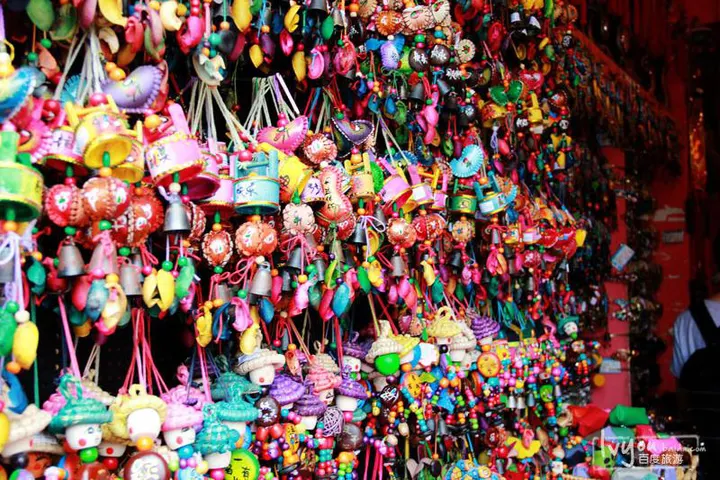
A wall of wishing bells on Hefang Street
Longjing tea: tea malls quote high; Longjing Village and Meijiawu are cheaper. Pre-rain tea runs ¥200–600 per 500 g; pre-Qingming core-zone lots start in the thousands.
Silk: the Silk City off Fengqi Road has everything (daytime only) but quality varies — real-silk scarves about ¥100–300; the heritage Dujinsheng brand is the splurge.
West Lake silk parasols: bamboo ribs under silk, nicknamed 'the flower of West Lake'; sold in the Silk City and on Hefang Street.
Lotus-root starch: whisked into a translucent pudding; every supermarket stocks it, Yiweilian is the local brand, about ¥20-plus a pack.
Where to buy
Traditional goods concentrate on Hefang Street and the Silk City; Hubin International Boutique Street is the luxury cluster; Sijiqing garment market yields cheap, current fashion. On a budget, supermarkets with price-tagged tea and lotus starch are the calmest option.
10Getting there and around
Arriving by train
The main stations are Hangzhou East, Hangzhou West, Hangzhou (Chengzhan) and Hangzhou South. Most high-speed services use East: Metro L1 downstairs, twenty minutes to Longxiangqiao (¥4), minutes from the lakefront. From Hangzhou West, L3 or L19 takes about 55 minutes.
Flying in
Xiaoshan International Airport is about an hour from downtown — airport coaches (around ¥20) or Metro L1/L7/L19; the Wuzhen coach also departs here.
The metro: your default
A dozen lines and 500-plus kilometers reach almost every sight. Fares start at ¥2 for 4 km, with 1-day (¥15) and 3-day (¥40) unlimited passes; QR codes and UnionPay contactless all work. Around the lake on holidays, traffic seizes up — the metro is the only reliable way in.
Buses and bikes
Buses cost ¥1–4; public-bike stands ring the lake every 300 meters, free for the first hour then ¥1 — return and re-rent hourly and a day costs nothing.
Water buses and cruises
On the Grand Canal, water buses ply between Wumen Gate and Gongchen Bridge for ¥3–5 — the cheapest canal view; evening cruises ¥60–80. On West Lake, official boats cost ¥55–70 with the Three Pools stop.
Tourist info: the Hangzhou Tourist Dispatch Center runs departure points at Huanglong (0571-8796 1729) and Wushan (0571-8780 9951).
Money: malls, hotels and the metro all take mobile payment; Alipay's international version links to Visa/Mastercard, while many stalls are QR-only.
12Packing list and pitfalls
Documents and bookings: passport or ID; reserve Lingyin–Feilai Peak a day ahead, buy Leifeng Pagoda tickets up to 7 days ahead, and lock Songcheng seats online in season.
Seasonal kit: an umbrella and mosquito repellent in summer, a real coat in winter, light layers in spring and autumn. Comfortable sneakers are non-negotiable — a lake day is 20,000 steps.
Electronics: charger and power bank; install Alipay/WeChat Pay, a map app, a translator and a ride-hailing app, and set up your metro QR code.
Tide and blossom: check the day's tide time on the official mini-program and arrive 40 minutes early; visit the spring flowers on weekdays if you can.
Four pitfalls: decline the 'cheap tea tour' touts — their commission is in the cup; take only official lake boats; lake-area prices run high, so carry water and snacks; and never buy tea on a shop story — look for the geographic-indication mark and taste first.
13From Liangzhu to the Southern Song
Geography and climate
Hangzhou sits on the southern Yangtze delta along the Qiantang: hill country to the west, a canal-laced plain to the east — Jiangnan water town to the bone, with mild springs and autumns.
Capital twice over
The city's story reaches back four millennia to the Liangzhu culture; legend says Yu the Great 'moored his boat here', giving the old name Yuhang. Capital of both the Wuyue Kingdom and the Southern Song, it is one of China's seven ancient capitals — Song-era Lin'an, with over a million people, was among the largest cities on earth, its fame carried to Europe by Marco Polo.
Tea and the Jiangnan mind
Lu Yu wrote the Classic of Tea at Jingshan in the Tang, and the 'tea banquet' rites carried to Japan grew into the tea ceremony. West Lake Longjing ranks first among China's famous teas, and the Xiling Seal Art Society (founded 1904) remains the oldest society for seal carving. A lake is only half the city's beauty; the rest is a thousand years of poets and monks.
14Three routes out of town
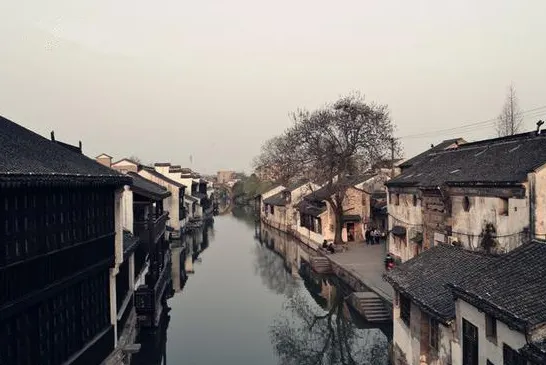
A water-town lane at dawn
Wuzhen (1–2 days)
The most polished of the water towns, split into East and West zones. The West Zone's night view is the headliner (¥150); the East Zone is older and more lived-in (¥110), combo ¥190. Rail to Tongxiang takes about 20 minutes, then 20 more by bus or taxi. Overnight inside the West Zone — the empty canals at dawn are the real Wuzhen.
Xitang (1 day)
Xitang's claim to fame is its covered rain corridor along the river — you can cross the whole town without opening an umbrella — and lanes more lived-in than Wuzhen. Entry runs about ¥85–95 and the evening lantern glow is free. Rail to Jiashan South takes about 35 minutes, then a 20-minute bus. Dawn and dusk are its best hours.
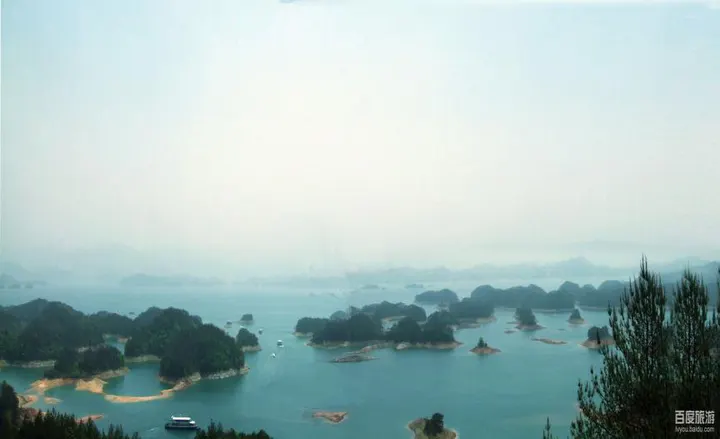
Qiandao Lake in morning haze
Qiandao Lake (2 days)
A thousand-odd islands (1,078, to be exact) scattered across a glass-clear reservoir. The play is boats and islands — climb Meifeng Island for the panorama — plus a lakeside greenway made for cycling. Tickets plus cruise about ¥180–250. High-speed rail takes about an hour (¥50–80) then a 30-minute shuttle; or a coach of roughly 2 hours (¥65–73). Do not skip the organic fish-head soup.
15Watch and read before you go
Film
"If You Are the One" (2009, dir. Feng Xiaogang): Ge You's suitor stumbles through blind dates in Xixi wetland, and his one line — 'Xixi, stay' — became the park's slogan.
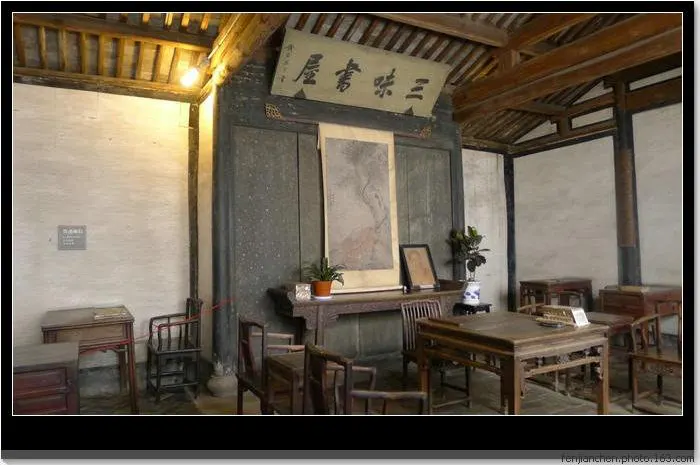
Old hours inside a vintage teahouse
Books
Zhang Dai, "Search for the West Lake in Dreams": the late-Ming essayist's sketches of the lake, its temples — the key to the old views. Wang Xufeng, "The Tea Makers" trilogy: three generations of a tea family, winner of the Mao Dun Literature Prize.
Music
Gao Shengmei, "Crossing Love": the White Snake TV theme, retelling the Broken Bridge umbrella romance. Xu Song, "Melting Snow at Broken Bridge": bright and wistful, turning a lake view into an ink painting.