Harbin (哈尔滨, Hā'ěrbīn) is the capital of Heilongjiang — China's Ice City, built by Russian railway engineers and famous for its Ice and Snow World. In northeast China, it is a 3-day city: Central Street, Saint Sophia Cathedral and the frozen Songhua River. Come December–February for ice, June–August to escape the heat. Budget ¥1,500–2,500 for three days.
Key facts
Known for
Ice City · Skiing · Oriental Moscow · Ice & Snow World
Budget
¥1,500–2,500
Days needed
3 days
Comfort
Moderate
Best time to go
Winter (Dec–Feb) & Summer (Jun–Aug)
01What kind of city Harbin is
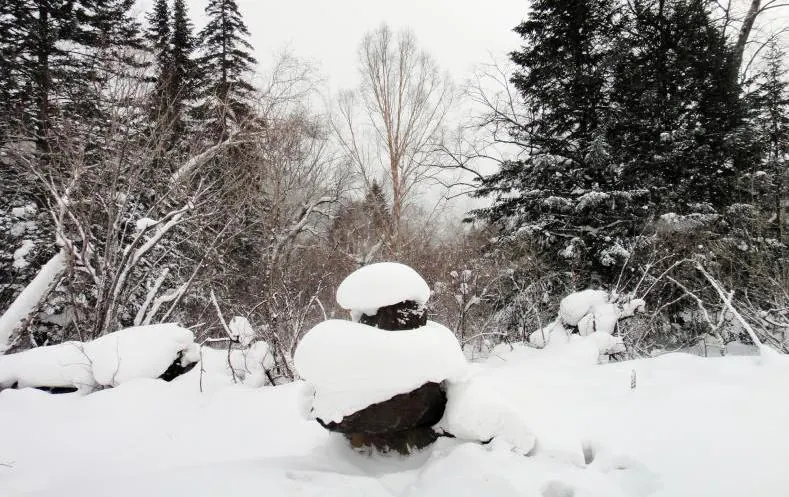
Harbin is a shining pearl of China's north. The Songhua River winds through the city, mirroring its distinctive charm. Winter here is the longest—and the most enchanting—season: snow drifts down gently, the great river freezes solid, and skilled craftsmen build dreamlike castles out of ice and snow. Ice and snow are this city's name; the northern winter is performed here with extraordinary romance.
Known as the 'Little Paris of the East' and 'Oriental Moscow', Harbin is where ancient Chinese culture and European civilization collide. As the hub of the Chinese Eastern Railway in its early days, the city drew Russians, Jews and expatriates from across Europe, leaving behind layer upon layer of European architecture—the majestic St. Sophia Cathedral, elegant Gothic buildings, whimsical Russian log houses. Wandering among them feels like stepping into another time and place.
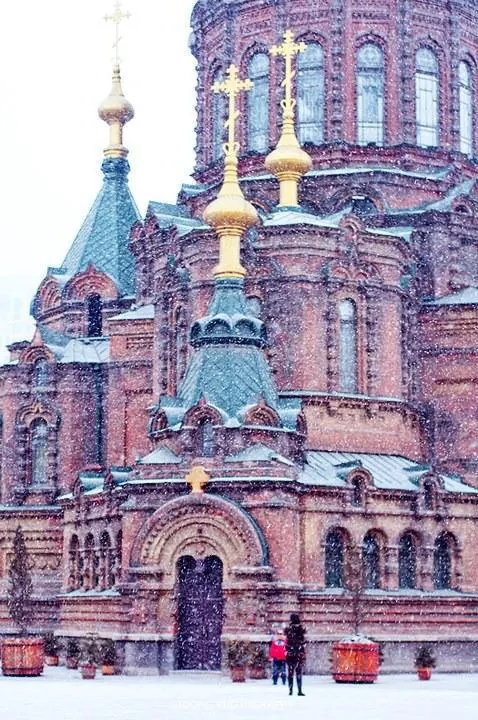
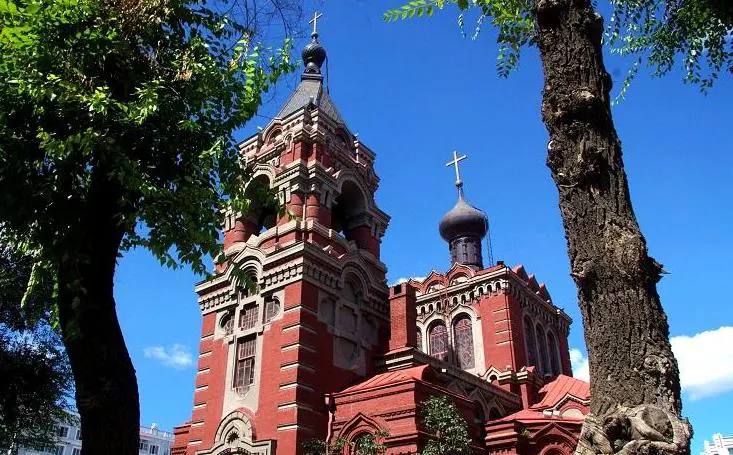
St. Sophia Cathedral in the snow
Bucket List: Little Things Not to Miss in the Ice City
Stroll down Central Street (Zhongyang Dajie)
Admire the old European architecture
Drink a bottle of Harbin beer
Take home Harbin red sausage and dalieba bread
People-watch—Harbin is famous for its beauties
Eat a Modern (Madieer) popsicle—even in winter
'My first time somewhere this cold—minus teens every day! My first time lying in the snow watching the sky—what a joy! My first shivering dash to an outdoor toilet in a world of ice and snow! My first time learning that turning in at 5pm is nothing unusual here! And my first trip playing cards every single day!'
Northeast in Snow: A Dream White Christmas Holiday
02The best things to do in Harbin
No.1 Ice Lanterns & Snow Sculptures
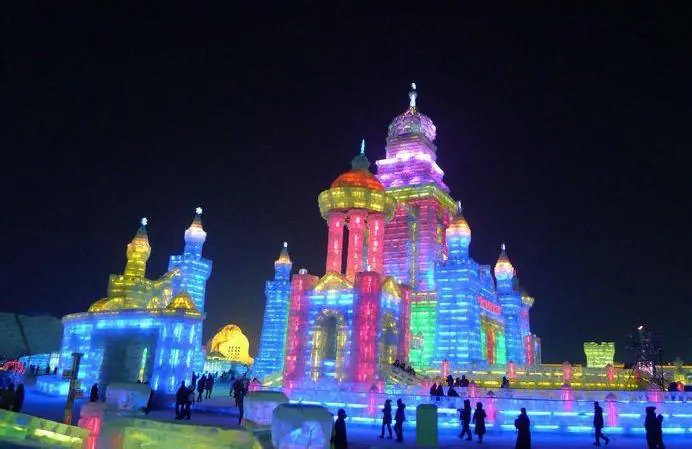
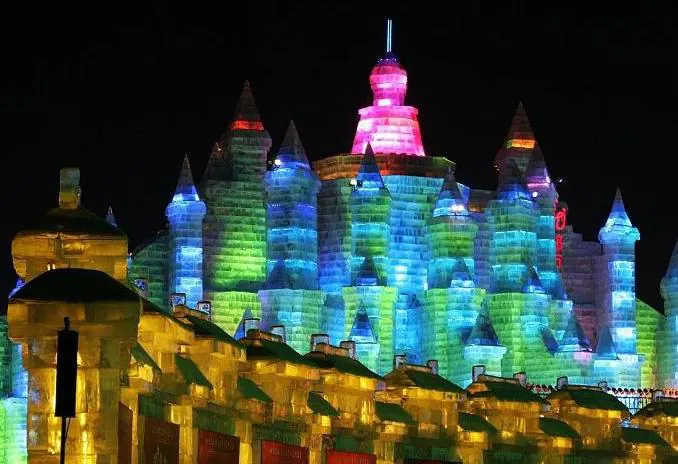
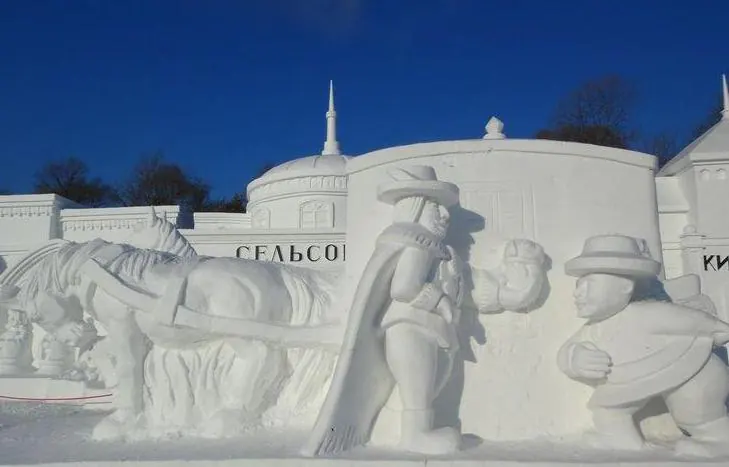
With an annual average temperature of just 5°C and over five months of freezing weather, Harbin in winter is decked out with ice lanterns and snow sculptures at every turn. When night falls, this exotic city transforms into a kaleidoscopic dream kingdom.
Ice & Snow World by night
No.2 The 'Freezing' Beauty of -30 to -40°C
Frost coats your eyebrows and hair, your breath rolls out in white clouds, and snow squeaks underfoot. Step back inside with a stiff red face and fog swallows your glasses instantly. Never touch outdoor metal with wet hands—it will freeze your skin on contact. Come and reset your understanding of what 'cold' means.
Frost on eyelashes
No.3 Strap on Skis and Play in the Snow!
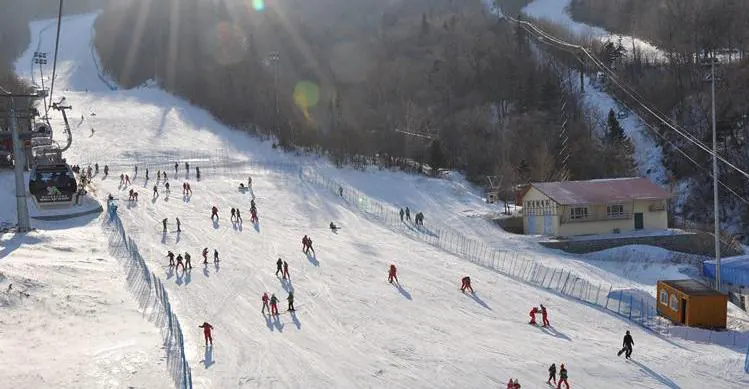
Can't ski or skate? Who cares! This silvery world is made for tumbling and laughing until you fall in a heap—that's the joy of snow. Click into your skis, wind whistling past your ears, and join the winter carnival.
No.4 Stroll the 'Foreign-Flavored' Old Streets
Central Street, Lao Daowai and Gogol Street are all steeped in exotic charm—open-air galleries of European architecture. Hunt down the churches scattered across the city: Gothic, Byzantine, Baroque, each with its own style.
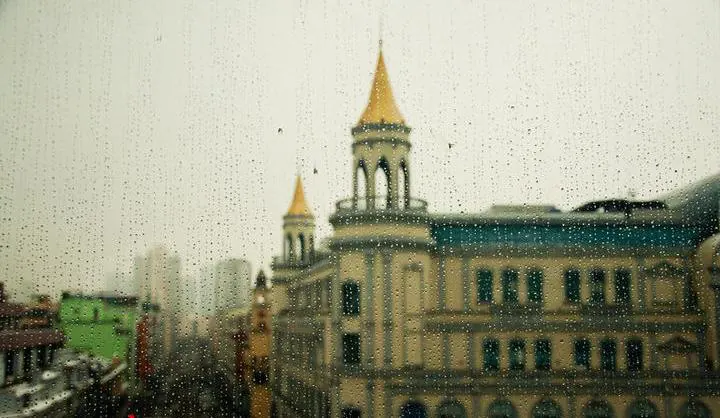
A gilded spire against the sky
No.5 Feast on a Russian Banquet
This was once a Russian world—ninety years ago, more than half the city was Russian, and Russian restaurants spread everywhere. Huamei, Boteman, Lucia, Tados, and the famous Modern Hotel... a feast for the palate without leaving China.
No.6 Fall for the Songhua River
Cross the frozen Songhua by horse-drawn sleigh, marvel at the 'warriors' swimming in its icy waters, or take a night boat to see lights shimmering on the river—however you meet it, this river leaves a mark.
03Harbin travel questions, answered
When is the best time to visit Harbin?
Harbin is known as both 'Ice City' and 'Summer Capital', so winter and summer are the best seasons: winter for its snow-and-ice wonderland, summer for cool retreats like Sun Island. Autumn is lovely too—maple leaves turn red in early October, and lilacs scent the whole city from May. Avoid March–April when the ice melts; if you do come then, bring an umbrella.
I'm from southern China—can I handle Harbin's winter?
Winter lows run -30 to -35°C, down to -40°C in harsh years. It's not as terrifying as it sounds—with proper layering it's manageable. Note that southerners often struggle with the dry indoor heating: place bowls of water by the bed or drape a wet towel over the radiator.
Do I need special gear for a winter trip?
Wear a long down coat over wool sweaters (add thermal underwear or a down vest if you feel the cold), thick padded trousers, and—non-negotiable—hat, scarf, gloves and cotton-padded shoes with non-slip soles. Choose thick mittens over five-finger knit gloves. Cover your face with a scarf or mask; pack hot water and heat pads if you're really cold-sensitive. The indoor-outdoor temperature gap is huge and going outside sweaty invites colds, so bring cold medicine.
Should I buy winter clothes beforehand or locally?
The cold hits you the moment you step off the train—a wool coat or light jacket won't cut it, so buy your down jacket before you come. Once in Harbin you can top up: local winter wear is warm, sturdy and fairly priced.
Is a self-driving trip a good idea?
Road trips are great, but think twice in a Harbin winter: you need ice-driving experience, a car with ABS, snow chains, antifreeze and an engine warm-up before setting off. Drive at steady speeds on icy roads—no sudden acceleration or braking. Safety first!
Will extreme cold kill my camera?
Batteries drain fast in the cold and can fail suddenly—carry spares and keep your camera warm inside your coat (heat pads help). Same for phones; keep everything dry in heavy snow. Pro tip: when coming indoors, seal the camera in a plastic bag and let it warm up gradually to prevent condensation frost.
I can't ski—are the ski resorts still worth it?
You won't carve turns on your first day, but sliding down a gentle slope with wind and snow in your face is a thrill in itself. Hire an instructor or ask a skilled friend for pointers. Beyond skiing, snow tubing, sled runs, snowmobiles and sleigh rides are all worth trying.
I have a week—what else is nearby?
In winter: ski at Yabuli, see northeast village life in Snow Town (Xuexiang), or—if you're fit—do the Dongsheng snow-forest trek. Further afield: Mohe's Arctic Village or Jilin's rime island. In summer: Wudalianchi, Jingpo Lake or Changbai Mountain; or take the two-hour bullet train to Changchun for the Puppet Manchurian Palace.
04Harbin itineraries: how to spend 1 to 5 days
Classic Ice & Snow: 2 Days
A winter trip to Harbin demands ice and snow: beyond the lanterns and sculptures, try skiing, ice slides and sleigh rides. Ideal for southerners who rarely see snow.
D1
Central Street → Sun Island → Ice & Snow World. Browse the shops on Central Street in the morning, then walk across the frozen Songhua River to Sun Island for the Snow Sculpture Expo and Russian-style town; continue to Ice & Snow World on the island's west side and stay until dark, when the whole park becomes a glittering fairy tale.
D2
St. Sophia Cathedral → Central Street → Flood Control Monument → Qiulin Company → Gogol Street. Start at the cathedral, return to Central Street for anything missed yesterday, and lunch on famous Russian cuisine. Central Street ends at the Flood Control Monument—stroll the riverbank and try the ice amusements. In the afternoon shop for local specialties at Qiulin Company on Dongdazhi Street and see the three churches beside it. For night views, return to the cathedral or Gogol Street. Got a third day? Add a nearby ski resort.
Summer Escape: 3 Days
No ice and snow? Summer in Harbin is all about cool relief. It's the city's most colorful season—deep green shade against European architecture has a charm of its own.
D1
St. Sophia Cathedral → Central Street → Lao Daowai. Morning at the cathedral, then Central Street for its exotic flair and Russian food, walking to the riverbank for the breeze. In the afternoon take bus 107 to Jingyang Street and explore the 'Chinese Baroque' of Lao Daowai; at night, cruise the Songhua for city lights.
D2
Sun Island → Songhua Wetland → Siberian Tiger Park → Gogol Street. Morning by bus 80 to Sun Island for shade and cool air—sign up in the park for a wetland tour by sightseeing car. Then bus 119 transferring to 122 to the Tiger Park to see Siberian tigers. Time left? Gogol Street for exotic vibes or the cathedral by night.
D3
Volga Manor. About an hour by car or shuttle—Russian architecture, beautiful marsh wetlands, and authentic Russian song-and-dance shows.
City Culture: 2 Days
For artsy travelers, photographers and street wanderers—an off-the-beaten-path route through the history of this legendary railway city.
D1
Qiulin Company → St. Sophia Cathedral → Central Street → Flood Control Monument → Sun Island. Start at Qiulin and the three churches of Dongdazhi Street, then the cathedral at Architectural Art Square; graze along Central Street down to the riverside monument, and cross the river to wander Sun Island.
D2
Lao Daowai → New Jewish Synagogue. At 7:30am dive into the morning market among old buildings at Jingyu Street North 3rd Alley, with breakfast at the state-run Gengxin Restaurant on Beida Liudao Street. Then roam the old-building cluster—Jingyu Street, Jingyang Street, Dongneishi Hutong, North 1st to 12th Streets—hunting old shops like Lao Dingfeng; if time allows, visit the Daotai Mansion on North 18th Street. In the afternoon on Jingwei Street: the Jewish history exhibition inside the New Synagogue, then the Old Synagogue (now Kaz Youth Hostel), the Jewish Middle School and the Turkish Mosque (Tatar Mosque)—all three on Tongjiang Street.
05Sights and attractions in Harbin
St. Sophia CathedralMust-see
Harbin's landmark and the largest surviving Orthodox church in Russia's former Far East sphere, built in 1932. A Latin-cross plan in red brick, classic Byzantine style, with a bell tower holding seven bronze bells. It now houses the Harbin Architecture Art Museum. Come back at night for the illuminated fountain show on the square.
Central Street (Zhongyang Dajie)Must-see
One of Asia's longest pedestrian streets, lined with 71 European and European-style buildings—a rare open-air gallery of architecture. A century of culture, continental charm and dazzling night lights make it the city's romantic heart. Legend says each paving stone cost a silver dollar—a street 'paved with a million silver dollars'—so tread it well.
Flood Control Monument
Built to commemorate the city's victory over the great 1957 flood. Two pools at the base mark the peak water levels of the 1932 and 1957 floods; reliefs on the tower body depict the battle, topped by a round sculpture of workers, peasants, soldiers and intellectuals.
Gogol Street
Over a century old, with Russian flavor in its very name. Pseudo-Russian buildings line both sides, along with the city's second-most-beautiful church—the exquisite Baroque St. Alexeevsky. It's also Harbin's 'bar street', alive after dark.
Ice & Snow WorldMust-see
For ice lanterns, this is the place. Not cheap, but the crystal world is worth it. On the west side of Sun Island on the river's north bank, it's the flagship of the Harbin International Ice & Snow Festival, with ice slides, snowmobiles and tubing. Enter around 3–4pm and stay into the evening to watch the lights come on.
Keep your ticket—in-park attractions check it, some require a refundable deposit. Warm up in shops and cafés when frozen.
Trash bins are scarce—bring a bag for your litter.
A piece of cardboard doubles as a sled for the ice slides.
Don't miss the two free shows—foreign-cast cabaret and ice dance—usually twice nightly.
Watch for lens frost; batteries drain faster in the cold.
Lao Daowai (Old Town)
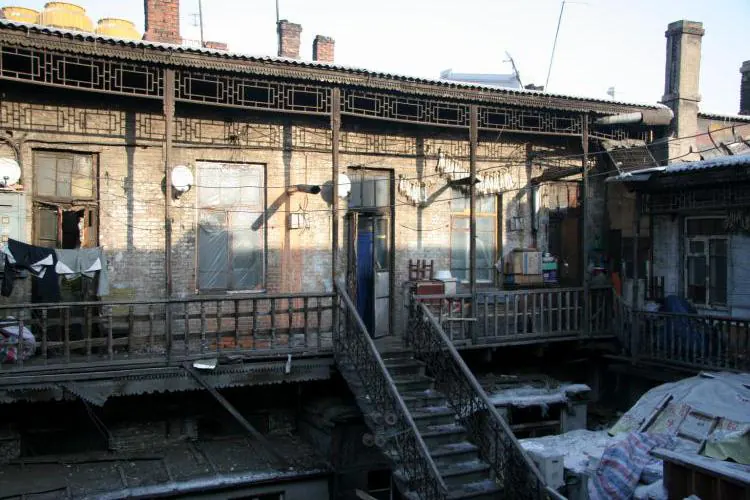
Home to China's largest preserved 'Chinese Baroque' district—century-old houses with Western façades hiding Chinese courtyards, an architectural form invented by Harbiners. This is where the city began: the first migrants who 'braved the journey northeast' settled here. Restored and original blocks sit side by side; look for the former Lao Dingfeng bakery and Hengdeli optical shop. Wander slowly and feel the weight of history.
Gengxin Restaurant (state-run): pay first, collect at the counter; tofu pudding and crispy sesame flatbread are legendary. 66 Beida Liudao St.
Lao Dingfeng: century-old bakery famous for its 'three cakes' and triangle ice cream. 392 Jingyu St and two other branches.
Zhang's Baozi: pork-rib-filled buns, old-broth filling, steamed over coal. Beitoudao St.
Zhangfei Braised Pork: 'drive a Benz, eat street food'—famous braised pork and fish head. 257 Nanda Liudao St.
Hongguang Wonton: 70+ years old; chess-piece huoshao and shredded-chicken wontons. 313 Jingyang St.
Sun Island Scenic Area
The country's only riverside floodplain-wetland eco-zone in a city center, facing Stalin Park across the river. Summer brings white sand and flowers—a perfect escape from heat; winter turns it into a snow-sculpture gala. The Russian-style townlet on the island is worth a wander.
Songhua River Wetlands
The wetlands on the Songhua's north bank: Sun Island Wetland Park, Jinhewan Wetland Park and the further Baiyupao. Most visitors join the sightseeing-car tour inside Sun Island Scenic Area. For Jinhewan, go by boat from Tongjiang pier or by bus 122 from Shimao Binjiang north gate.
Volga Manor
A 600,000+ m² Russian-culture theme estate on the Ashe River in Chenggaozi Town: gardens, marsh wetlands, winding waterways and bridges—idyllic countryside with Russian song-and-dance shows.
New Jewish Synagogue
China's largest synagogue, built in 1918, with twin domes, pointed arches and Star-of-David windows. Inside is the Harbin Jewish History & Culture Exhibition—over 20,000 Jews lived in Harbin between 1903 and 1962.
Siberian Tiger Park
The world's largest natural park for Siberian tigers, built to save the endangered species. Thirty full-grown tigers roam the adult enclosure—you ride among them in a special tour vehicle; 40+ cubs under three live in the cub garden, viewable from walkways.
Qiulin Company
A storied Harbin brand founded by Russian merchant Ivan Churin in Irkutsk in 1867, opened here in 1900 with the Chinese Eastern Railway. Buy the famous red sausage and dalieba bread, plus cured tripe, mooncakes and fruit wine. Nearby on Dongdazhi Street stand three contrasting churches: the Byzantine Holy Virgin Protection Church, the Gothic Polish-built Sacred Heart Cathedral, and the Nordic-style Gothic Nieralayi Church.
06Festivals and seasonal activities in Harbin
Harbin International Ice & Snow Festival
The world's longest ice festival—it usually opens in late December and runs until the ice melts in late February. Ice & Snow World, the Sun Island Snow Expo and Zhaolin Park's Ice Lantern Fair all open, alongside gala shows and snow amusements.
Snow sculptures on Sun Island
Harbin Beer Festival
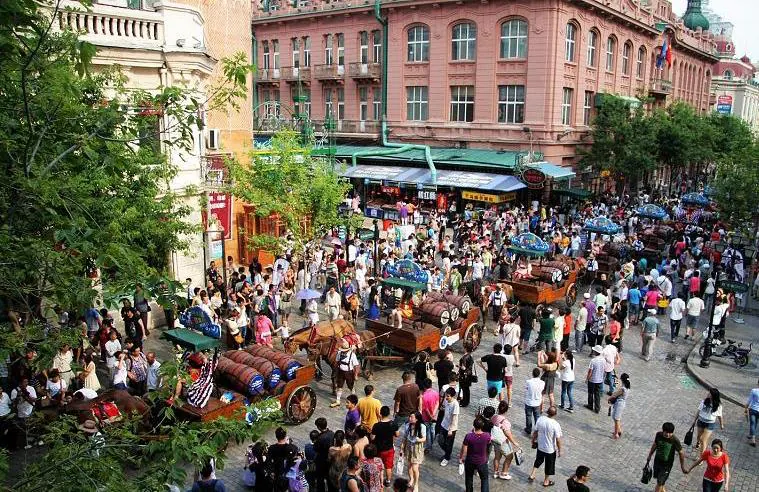
Harbin brewed China's first beer and keeps the deepest beer culture. Every July, Central Street becomes a parade of beauties, costumes and horse-drawn floats; a five-meter wooden keg at Flood Control Monument square pours free beer for a crowd of thousands.
Beer Festival parade
Dragon Boat Festival, Harbin-style
Harbiners turn this traditional festival into a citywide carnival: from the afternoon before, tens of thousands pour toward Central Street and the riverbank wearing flowers and masks, camping overnight by the Songhua until the dragon-boat races end and everyone heads home carrying mugwort.
07Where to stay in Harbin
Winter rooms sell out fast—book ahead. Budget chains (Home Inn, 7 Days, Hanting) cluster around the train station, Central Street, the cathedral and Dazhi Street; standard doubles run ¥200–350 in low season and can double in the ice season.
Modern Hotel (Madieer)Splurge
A four-star heritage hotel built in 1906 in Louis XIV French Renaissance style, right on Central Street. It hosted the preparatory meeting for New China's first CPPCC; Soong Ching-ling, Guo Moruo and Xu Beihong all stayed here, and the famous 'Modern Hotel kidnapping' adds to its legend.
Jifeng Holiday Hotel
A four-star business hotel on Central Street next to the river, the Flood Control Monument and Zhaolin Park—ten minutes on foot from St. Sophia Cathedral.
Xilong Hotel (Jingwei branch)
A local chain with 17 branches across the city. Comfortable mattresses, good housekeeping; the Jingwei branch is handy for Central Street.
Kaz International Youth Hostel
At the corner of Dongfeng and Tongjiang Streets by Central Street, 10 minutes' walk to the cathedral and river. The building itself is the 1907 Old Jewish Synagogue; the hostel is named after its architect, 'Kaz', in tribute.
Harbin North International Youth Hostel
Central location, 2km from the railway station and 1km from HIT. Converted from a 1959 lock factory—big common rooms, simple fittings, a free and warm vibe.
08What to eat and drink in Harbin
Harbin food is either earthy or foreign: rustic Northeast stews in hearty portions, or gorgeous Western restaurants for an 'abroad' experience. Two food hubs: Central Street and Huanghe Road in the development zone; Lao Daowai hides old-name snacks—graze street by street and you're full in no time. Note: Northeast portions are huge—order modestly; winter stews don't travel well as leftovers.
Russian-style dishes
Must-try Foods
Guobaorou: the classic sweet-and-sour crispy pork. A Qing-era chef adapted 'scorched fried pork' for Russian railway officials' taste; their mispronunciation turned 'guobao rou' into today's name.
Pig-slaughter stew: a village New Year dish of pork chunks simmered with pickled cabbage and blood sausage, served as a hearty trio.
Modern popsicle: Central Street's iconic ice pop, queued for in every season for a century—sold unwrapped from a box, 'sweet but not cloying, fragrant in the frost'.
Harbin beer: China's first brewery opened here in 1900; taste fresh barrel-brewed beer at the Xibadao Street beer plaza.
Kvass: a low-alcohol drink fermented from dried bread, brought by Russians with the railway—like beer but gentler and sweeter.
Bingtanghulu: literally 'ice' sugar haws here—frozen rock-solid in winter, crunchy-sweet, and very photogenic.
Recommended Restaurants
Huamei Western Restaurant
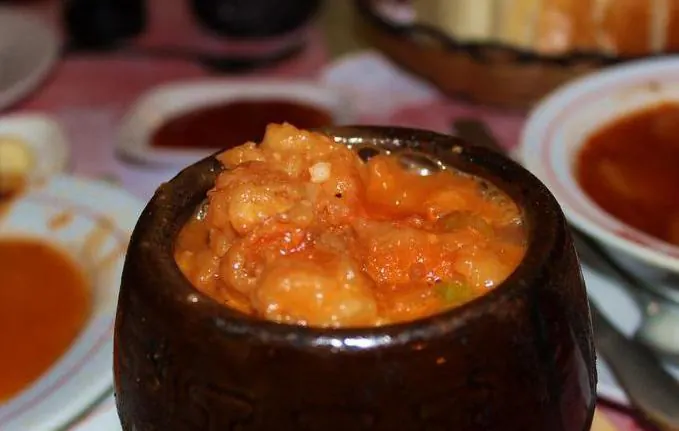
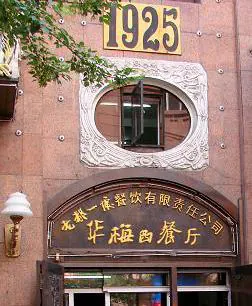
The famous Russian restaurant on Central Street, est. 1925, with aristocratic Russian decor and high domes. Order borscht, pot-braised beef, pan-fried salmon, pot shrimp, pickles; sit upstairs for the Kremlin-style hall.
Boteman (Portman) Western Restaurant
Near Huamei, elegant and romantic—live piano and violin at lunch, candlelight at dinner. Try borscht, house red wine, black-pepper steak, pot shrimp, creamy baked cod.
Laochu Jia
Authentic Northeast cuisine—the owner is the fourth-generation heir of the chef who invented guobaorou, and every dish has a story. Signatures: stewed lion's head meatballs, guobaorou, pork trotters, imperial chicken, smoked duck.
Laochang Spring Pancakes
Thin pancakes rolled around meat and vegetables with scallion and sauce. Eight packed branches; signatures include the pancakes, smoked pork, stir-fried potato shreds, soft scrambled eggs, spicy pork slivers.
Meiwei Tanrou (Jar Pork) Diner
A sub-10m² hole-in-the-wall that train travelers flock to. The pork is fatty but sublime—avoid meal hours or you won't have room to move.
09Shopping and what to bring home from Harbin
Harbin sells Russian-flavored food and trinkets: the iconic red sausage and dalieba bread, Russian candies and chocolates, plus matryoshka dolls at gentle prices. Thanks to the nearby Greater Khingan and Changbai ranges, markets also stock fine Northeast specialties.
Red sausage ('lidaosi' in transliterated Russian), made by European craft. Top names: Haroulian, Qiulin, Shangwei. At Qiulin's ground floor, go around 10am—earlier means yesterday's batch; Shangwei on Hongqi St is a factory-shop with long queues.
Dalieba: from Russian 'khleb' (bread)—a five-jin loaf, crusty outside and soft inside, hop-fermented with a distinctive sour aroma that keeps twenty days. Buy at Qiulin's basement food hall.
Northeast mountain delicacies: black fungus, mushrooms, dried fruits, wild greens—all shelf-stable; also ginseng and deer antler of the 'Three Treasures'—good value, but beware fakes.
10Getting to Harbin and getting around
Getting There & Away
Harbin is the Northeast's second-biggest rail hub after Shenyang and hosts its second-largest international airport—getting here is easy.
By air: Taiping International Airport, 30km from downtown. Airport buses meet arrivals and run to the CAAC Building downtown; a taxi or ride-hailing car takes 40–60 minutes. Allow 2.5 hours before your flight.
By train: three stations—Harbin (main), Harbin East, Harbin West. Through trains use the main station; origin/terminus trains favor the East; high-speed services use the West. Bus 6 links the main and East stations.
By coach: Nangang and Jiaohua terminals near the station are the big ones, plus Daowai, Daqiao, Sankeshu and Longyun. Avoid winter coach trips—weak heating and icy roads make trains safer and warmer.
By boat: Harbin Port, one of China's eight major river ports (passenger terminal at North 7th St, Daowai), runs seasonal routes to Russia, Korea and beyond—generally mid-April to early November.
By car: National highways 102, 202, 221 and 301 radiate out from the city.
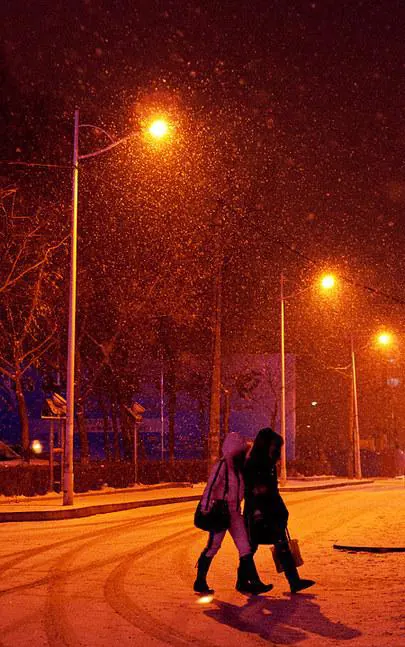
A snowy night in Harbin
Getting Around
Taxi: the flagfall is around ¥9. At the station, queue at the official rank; drivers change shifts at 3pm, so 15:15–16:30 is hard to hail.
Bus: 100+ routes, but it gets dark early and some lines stop around 7pm—check last-bus times. Tourist minibuses run to the Monument and Sun Island.
Ferry: river crossings link downtown with Sun Island—a river cruise is an experience in itself.
Metro: three lines now serve the city — Line 2 links Central Street, Sun Island and Ice & Snow World. Check the current map at the station.
11Practical information for Harbin
Banks: branches of all major banks are everywhere.
Post: Nangang station branch (12 Tielu St); Central Street branch (115 Central St).
Internet: hotel and café WiFi is common; Google services need a VPN.
Tourist info: Harbin Tourist Information Center (48 West 14th St, by Central Street); Central Street Visitor Center (corner of West 3rd St).
12Tips that save you trouble in Harbin
Winter daylight runs 7:30–16:30; malls close 20:30 and many buses stop by 19:00—start your day early.
Keep phones and wallets out of outer down-jacket pockets—you're too bundled to feel a pickpocket. Station area, Qiulin and the clothing market are hot spots; watch your pockets at double-door mall entrances.
Agree the price before any ice activity; photos with winter swimmers may cost money.
Contact lenses beat glasses here—fogging indoors and hassle on the slopes.
Bring a student card if you have one—attraction tickets add up.
The indoor-outdoor temperature swings invite colds—pack medicine.
The cold is dry—carry lip balm and moisturizer.
13The history behind Harbin
History
Harbin is the ancestral homeland of the Jin and Qing dynasties; its name derives from the Manchu word 'Alejin', meaning honor. A city that never had walls, it was a small fishing village until the Chinese Eastern Railway made it a Far East hub—within just 30 years it became the 'Little Paris of the East', with 160,000+ expatriates from 33 countries and 19 consulates by the early 20th century. After 1949 it earned the title 'eldest son of the Republic' as a key industrial city.
Geography & Climate
In the north of Northeast China, southern Heilongjiang (125°42′–130°10′E, 44°04′–46°40′N)—the 'pearl of the Eurasian land bridge', with fertile black soil. China's highest-latitude, coldest metropolis: summers are cool and pleasant (rains concentrate in July–August—carry rain gear); winters are a silver world of ice lanterns, rime and snow fun.
Religion & Ethnicity
History made Harbin a multi-faith city of churches—Catholic, Protestant, Muslim, Buddhist, Orthodox and Taoist all coexist. Han Chinese (mostly Shandong/Hebei migrant stock) form the majority; minorities make up 7%, led by Manchu, Korean, Hui and Mongol, whose customs still flavor the city.
The Ice-Rolling Festival
A local folk custom: on Lantern Festival night, candles are set in patterns on the frozen river and everyone—young and old—rolls on the ice to 'roll away troubles, roll in good fortune'. It stems from the legend of the river god's daughter and a fisher lad. 15th day of the first lunar month, in Mulan County.
14Side trips from Harbin
Yabuli Ski Resort (1 day)
Yabuli Ski Resort
'Yabuli' comes from the Russian for 'apple orchard'. The resort tops out at 1,374m, ringed by thick snowy forests; its Guokui peaks hosted the 3rd Asian Winter Games and remain national-team training bases. Entry and lift tickets are sold separately; rates rise at weekends and holidays.
Train: Yabuli South is handiest (about 3h, one round-trip daily), then 5 min by minibus. More trains serve Yabuli town, but it's far from the slopes—shuttles run every 30–60 minutes.
Coach: Longyun terminal opposite the station runs direct buses (about 3h); check the day's timetable.
Stay in the resort area, not Yabuli town (cheaper but 27km away). rates rise sharply in the ski season — book ahead.
Ski tips: pick skis shorter than your height; Xintiwei's beginner and intermediate runs connect—beginners should hire an instructor; rental goggles aren't worth it; coaches expect tips—agree the price before you start.
Snow Town / Xuexiang (3 days)
Snow Town
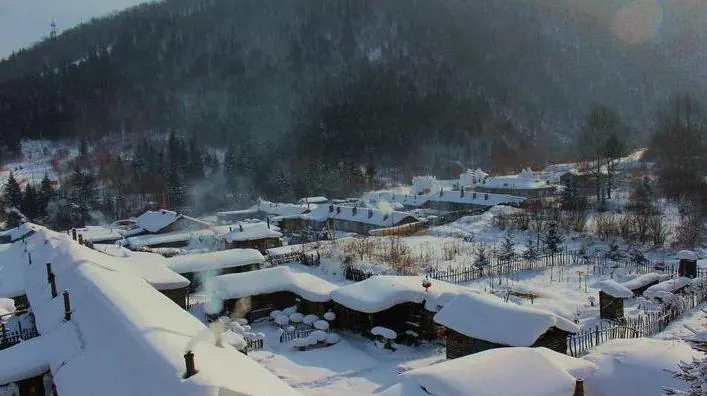
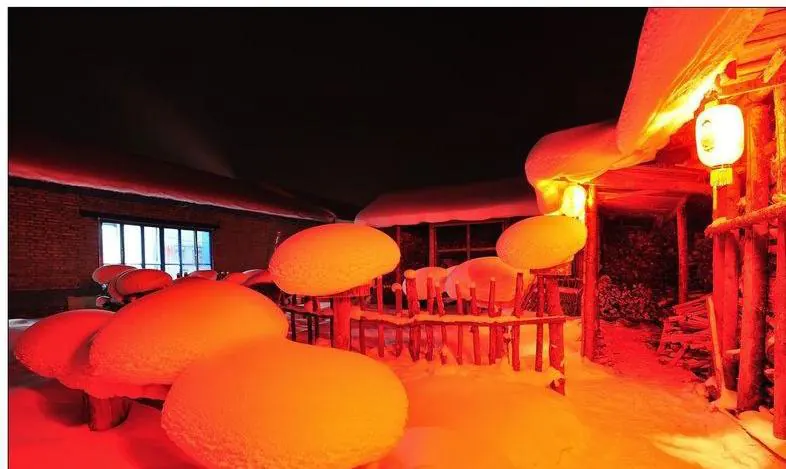
Also called Shuangfeng Forest Farm, at 1,100m it gets China's heaviest snowfall: snow starts in early October and can pile 3.8m deep, sculpting itself over everything; farmhouse roofs wear thick quilts of snow that glow golden-red in lantern light. Entry is ticketed separately.
D1
Harbin → Snow Town.
D2
Hike up for sunrise → snow mushrooms, snow houses, red lanterns → snow tubing (recommended; skip the other paid rides).
D3
Snow Town → Harbin.
Getting there: train to Mudanjiang then the daily 14:00 direct bus (returns 5:30am, ~6h); or bus via Changting town; a private van is the flexible option for groups.
Driving is risky: skip it without ice experience; winterize the car (antifreeze, chains), keep 30–40 km/h, no hard braking.
Stay: farm guesthouses include three meals; prices rise sharply around Spring Festival; sleeping on a heated kang is part of the experience.
Snow mushrooms and red lanterns by night
'I had never trekked before—crossing a snow-buried mountain in the black and the cold for the first time; nor had I ever seen such scenery—no amount of vocabulary could conjure it. I believe life is meant to be moved by sights like these. Words fail, photos fail—you have to brave the cold and cross it yourself, and let your own eyes bear witness.'
Harbin + Snow Town: Hiking Through Ice and Snow
Dongsheng → Snow Town Trek (4 days)
Trekking the snowy forest sea
A 15km crossing from Dongsheng Forest Farm to Snow Town, climbing 800m to the 1,235m summit of Yangcao Mountain. Wade knee-deep through silver forests—a true 'sea of snow' trek. ~5 hours at walking pace, 6 with photo stops, arriving mid-afternoon.
D1
Harbin → Dongsheng Forest Farm; early night to bank energy.
D2
Dongsheng → Snow Town. Set off ~8am, 5–6 hours of trekking; Northeast dinner in Snow Town.
D3
Sunrise and snow play in Snow Town.
D4
Snow Town → Harbin.
Forward crossing (Dongsheng→Xuexiang) is steeper and harder; reverse is easier, with sledding down from the summit.
Gear: full-body warmth, waterproof boots, ideally hardshell layers and gaiters; a branch can substitute for trekking poles.
After fresh snow, hire a local guide (arrange via your Dongsheng host)—covered footprints make the route hard to trace.
Paid rest huts en route are worth it: refuel and dry frozen clothes on the kang.
15Harbin in film and writing
TV drama 'The Brink' (2012): a spy thriller in which two underground agents pose as a couple inside Harbin's police special unit—St. Sophia, the Flood Monument and Modern Hotel appear throughout.
Book 'Harbin by Night' (Chen Yu): the 1934 underground struggle against the Japanese occupation—a generation knows it through Wang Gang's famous radio narration.
Book 'City and People: Harbin Stories' (Zeng Yizhi): a journalist's pen-and-paper battle to protect historic buildings along the Chinese Eastern Railway.
Music: 'Hello' (A-Do, 2003) shot its MV in Harbin; 'Harbin' (Liu Zhuo) is one of ten city songs from Gao Xiaosong's album 'Ten Cities'.