UNESCO-listed GulangyuReserve-only ferriesStreet food every blockTulou within a day
In short
Xiamen (厦门, Xiàmén) is Fujian's garden island on the Taiwan Strait — the city locals call Egret Island — where a car-free colonial island, a seaside university campus and one of China's liveliest street-food scenes sit within half an hour of each other. A twenty-minute ferry puts you on Gulangyu, listed by UNESCO as Kulangsu, a car-free island of colonial villas and piano music; the ring road wraps the island's southern edge in beach; Nanputuo Temple and Xiamen University have been neighbours for a century. Three or four days covers the city and the island, five gives you a day in the Fujian Tulou, the fortified earthen houses. Come in October–December or March–May; July–September is typhoon season. Budget ¥1,800–3,200 per person for 4–5 days mid-range, excluding long-haul transport. Since 2026 the Gulangyu ferry is online reservation only, university entry is decided by lottery, and the temple needs a timed slot — sort all three before you land.
Key facts
Known for
Gulangyu · sha cha noodles · Huandao Road · the Fujian Tulou · slow living
Budget
¥1,800–3,200 for 4–5 days, mid-range
Days needed
3–5 days (5–6 with the Fujian Tulou)
Comfort
Comfortable
Best time to go
October–December and March–May; July–September is typhoon season
01The city that built the sea into its streets
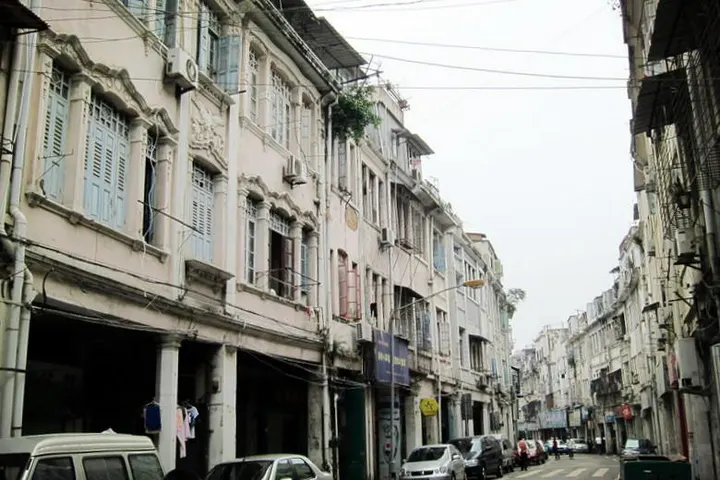
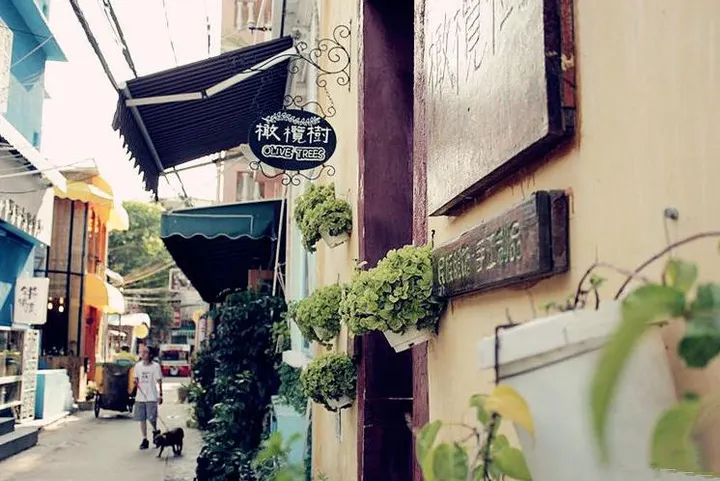
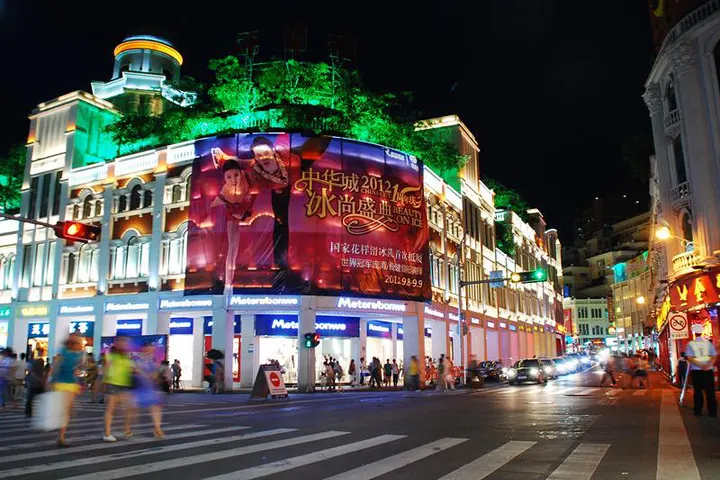
An afternoon street in the old town: arcades, banyan shade, small shopfronts
Xiamen sits on an island off southern Fujian, facing the Taiwan Strait with the Kinmen islands hazy on the horizon. Locals call it Egret Island, or describe it as a city with the sea inside it: the harbour reaches deep into town, ferries are commuter transport rather than an attraction, and the ring road runs some thirty kilometres along the southern shore — from Yanwu Bridge you can watch water boiling under the deck.
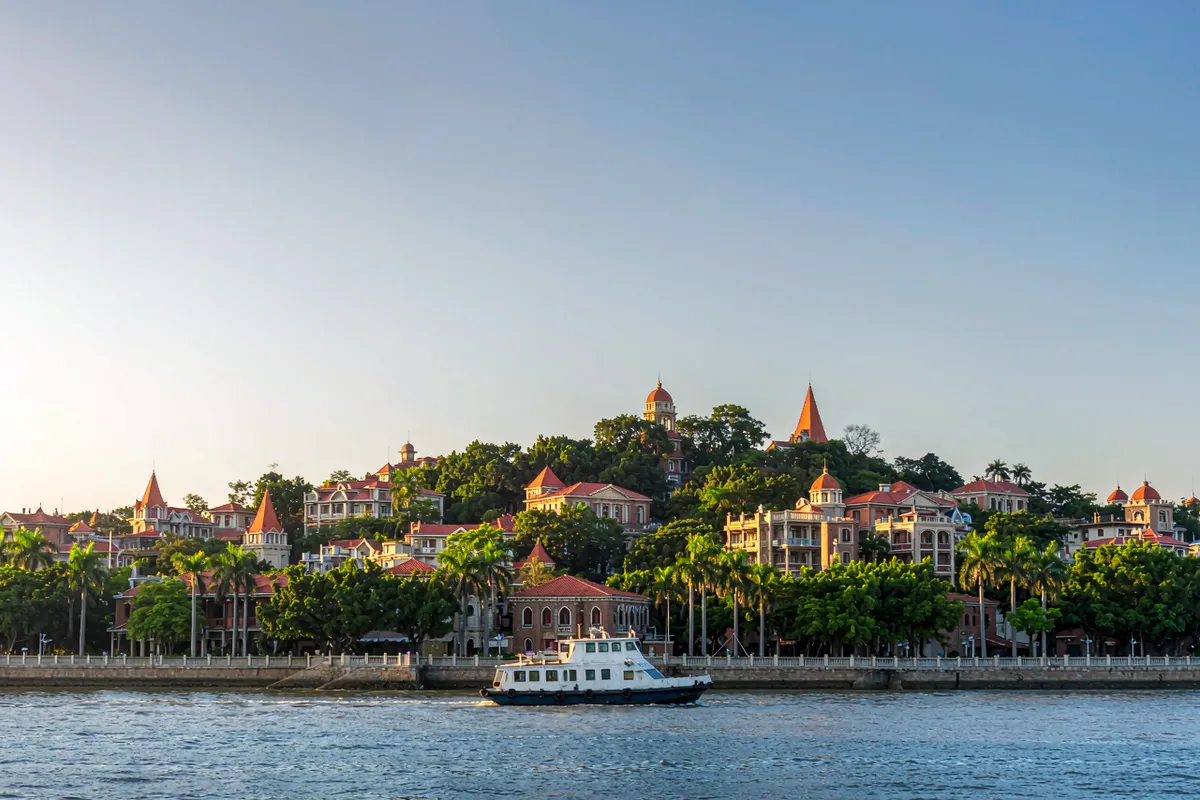
Two layers build the character here. Underneath is Minnan culture: red-brick houses, the ancient nanyin ballads, temples to Mazu and the Daoist healing god Baosheng, and a population that refuses to be casual about food. On top sits modern history: after the Treaty of Nanjing in 1842 Xiamen became one of China's first five treaty ports, and Gulangyu was set aside as a foreign enclave — consulates, churches, schools and villas left behind what the city now calls its international architecture. At the same time emigrants to Southeast Asia wired money home, building Jimei School Village and the arcaded streets around Zhongshan Road.
In Xiamen you need nothing more than the willingness to slow down and find scenery at every step. On Gulangyu you need to be ready to get lost immediately and not mind it one bit.
"Daydreaming in Xiamen: Sleepwalking on Gulangyu"
Travellers have labelled Xiamen China's capital of the cosy-bourgeois mood — coffee, cats, bookshops, boutique guesthouses. That is only half the picture. The crowds gather on three or four streets; what makes the city worth your days is everything one turn away — the quiet lanes behind them, tea drifting over a wall on Nanhua Road, wet tiles and crates of live shrimp at the market before seven. Don't chase a checklist here. Xiamen rewards the traveller who sits down.
Three practicalities shape everything else, and all three are new since 2026. Gulangyu ferry tickets are sold only online against a real-name ID; ticket windows no longer sell daytime visitor fares. Entry to Xiamen University is decided by a lottery you enter three days ahead through the official account. Nanputuo Temple issues free timed slots through a mini-program. All three sell out or fill up over holidays — reserve them first, then plan the rest of the trip around what you got.
Xiamen in five lines
Six districts: Siming and Huli occupy Xiamen Island; Jimei, Haicang, Tong'an and Xiang'an sit on the mainland, joined by bridges, causeways and the Xiang'an tunnel.
Maritime subtropical weather: about 21°C on the annual average, winter lows rarely below single digits, summers hot and humid.
Minnan dialect is the mother tongue, Mandarin works everywhere, and English coverage is patchy outside hotels — a translation app is your friend.
The island is small: the ring road, Xiamen University, Zhongshan Road, Bashi market and Shapowei are all short hops apart. Jimei and the Tulou are genuinely further out.
What it sells is slow living, not sightseeing volume — pack the itinerary full and you will miss the point entirely.
02The three things worth your days
If time is short, spend it here. Each one answers to a different side of the city: the colonial-migrant architecture, the southern coastline, and the unhurried everyday life that people actually come here for.
A whole day lost on GulangyuAn island without cars
No cars cross to Gulangyu — only hand carts and a handful of electric shuttles. Aside from a few ticketed museums the island is free to wander, and the best of it is not behind a turnstile: red-brick lanes under banyan shade, a door knocker on a decommissioned consulate, stone steps going down into the water. It is small enough that you will want a second lap.
Riding the ring road beside the seaThirty good kilometres
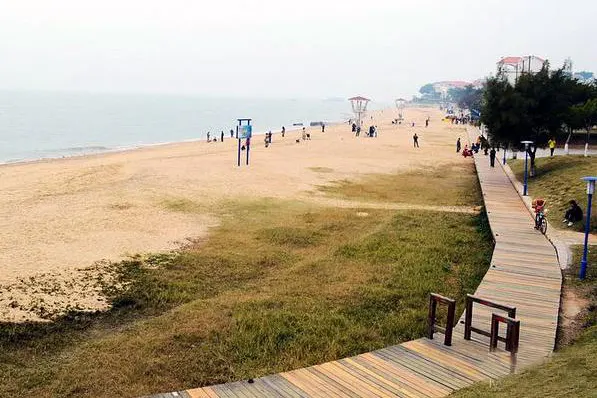
The stretch from Baicheng Beach by the university to the Convention Centre is nicknamed the golden coastline, and it is what locals mean by Huandao Road, the island ring road. Sand, rocks and public sculpture on one side, palms and apartment blocks on the other. Rent a bike and ride as far as you like; a bus shadows the whole route, so you can quit the moment it stops being fun.
Cats, coffee and nowhere to beSlow living, smallest unit
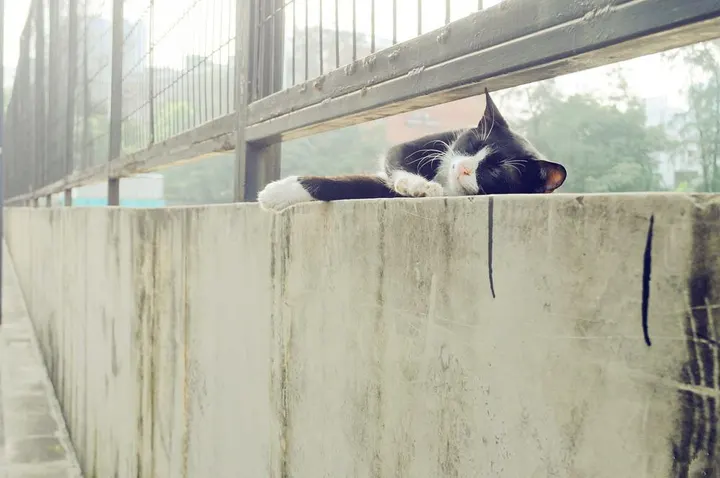
The most enviable thing about this city is not a sight. It is the pace: a cat asleep in a courtyard at two in the afternoon, someone reading in a café, bougainvillea hanging over a wall. Nanhua Road, Shapowei, Zengcuoan and Longtou Road all sell the same product — you simply have to sit down, and nobody will hurry you along.
03Seven questions worth asking before you book
Everything below was checked in October 2026. Prices and rules move every year, so treat the official channels — the ferry mini-program, the university booking system, the temple platform — as the last word on the day you travel.
How do I book the Gulangyu ferry, and which pier does it leave from?
Do not plan on buying at the pier. Since 2026 daytime visitor tickets are online only against a real-name ID, and the ticket windows barely sell anything; the sole official channels are the WeChat mini-program and the Xiamen Ferry Company Alipay account. Sales open fifteen days ahead, releasing the fifteenth day at 09:00. On weekdays there is usually stock; weekends, school holidays and public holidays need a week of attention. A standard return is ¥35 and includes one trip back within twenty days; an ¥80 premium sailing buys a slightly nicer cabin and nothing else. In the daytime (roughly 07:00–18:00) visitors sail from the Xiamen–Gulangyu Pier at Dongdu Cruise Centre, arriving at Sanqiutian (closest to Longtou Road, the default choice for a first visit) or Neicuo'ao (calmer, nearer the western beaches). In the evening the boat leaves instead from Xiamen Ferry Pier next to Zhongshan Road. The daytime commuter route is residents-only at ¥8 — visitors queueing there simply waste an hour. Children under 1.2 m or six are free but must still be registered for a no-cost named ticket; 1.2–1.5 m pays ¥17.5. You board by scanning the ID you booked with. Ignore anyone offering inside tickets or speedboats at the pier.
Can visitors still get into Xiamen University, and do I need to book?
Yes, and since 20 January 2026 it is a lottery. You register first, then the system draws at random for entry. The only official channels are the university's WeChat booking account and the Visit XMU mini-program; agencies are banned from booking on your behalf and group arrivals are turned away. Slots open for the third natural day ahead, registration closes for the following day at 16:00, the draw runs at 16:00 and results publish at 20:00. Caps are 2,000 visitors on a working day, 8,000 at weekends and in the university holidays, and 15,000 on public holidays. The lead booker must carry the original ID card and clear the visitor gate during the assigned slot. Practical advice: treat it as a raffle and do not be upset when the number does not come up — Nanputuo Temple, Baicheng Beach and Shapowei are all within walking distance of the campus wall, and the university's real luxury, the sea, is shared freely.
When is typhoon season, and will it wreck my trip?
Xiamen takes four or five tropical storms a year on average, with the active window from May to October and the peak in July through September — August most of all. Under blue and yellow alerts outdoor plans still work, but stay off the headlands and beaches; under orange and red alerts the sights close, ferries stop and flights cancel in waves, and you stay indoors. If you travel between July and September, book changeable tickets and keep one or two slack days. Have a wet-weather plan too: the museums, the cafés and cinema of the arts district, and any little restaurant under the arcades all work in a downpour. The day or two after a storm has passed often brings the clearest air of the year. May and June are the plum rains, sticky above 85% humidity; the comfortable windows are October to December — around 19–20°C by day, 12°C at night, dry — and March to May.
What is the difference between Xiamen Station and Xiamen North Station?
One character apart, and a very different arrival. Xiamen Station is on the island in Siming district, inside the old town, with its own station on Metro L3 and everything — Zhongshan Road, the ferry piers, the university, Nanputuo — within about twenty minutes. Xiamen North Station sits in Jimei on the mainland, roughly 25 km from the centre, and takes most of the long-distance high-speed services, so it has the most frequent trains and the best seat availability; getting in means about forty minutes on Metro L1, or forty minutes and much more in traffic by taxi. Buy to Xiamen Station when you can. Fall back to Xiamen North if nothing else is available, but add an hour either side of your plans. It also works in reverse: if you are heading on to Fuzhou, or want Jimei School Village on the way in, the northern station is actually the more convenient one. Both stations send trains to Nanjing for the Tulou; the northern one has more departures.
How many days do I need, and how should I split them?
Two days covers the island only: one for the ring road, the university's edge, Nanputuo and Shapowei, one for Zhongshan Road, Bashi market and the old lanes. Three is the most common answer — those two days plus a full daylight day for Gulangyu. Four lets you add Jimei School Village with Dragon Boat Pond and Aoyuan, or simply leaves an unplanned afternoon. Five or more earns a night among the Tulou at Yunshuiyao or Tianluokeng. The one rule: give Gulangyu its own day. Do not stack it against city sights, because the booked sailing, security, queueing and transfers will eat most of the daylight. When in doubt, cut a sight rather than cut sitting-down time.
Is a day trip to the Tulou worth it, or should I stay overnight?
Yes, and it is the least Xiamen-like part of any Xiamen trip: rammed-earth fortresses in the hills of Nanjing county, Zhangzhou, inscribed on the World Heritage List in 2008. A day trip works. Trains run from either station to Nanjing in about 30–50 minutes, with second-class fares commonly ¥25.5–35.5; from there the tourist bus takes roughly an hour (about ¥15, last bus around 17:30) or a shared car reaches the scenic area in forty minutes. Yunshuiyao tickets are usually quoted at ¥80–90, the Tianluokeng cluster about ¥60, and combination tickets around ¥150–160; residents often ask another ¥5–10 to climb inside their building. Operators revise these figures, so check the official listings before you commit. But be honest about the arithmetic: going and coming back eats five or six hours and leaves three or four on site. Whenever the schedule allows, spend the night at Yunshuiyao — the banyans, the cobblestone path and morning mist on the stream between six and eight are things no day tripper ever sees.
Can I book with a foreign passport? How do payments work?
Yes. The ferry reservation is real-name against an actual document, so overseas visitors register their passport number in the booking mini-program and simply carry that passport to the gate; there are staffed lanes for document checks. Metro, buses and the BRT take QR codes rather than cards: since 2024 cards issued abroad can be linked to Alipay or WeChat Pay and used to pay directly, so there is no need to buy a local transit card, though you can still add Xiamen's electronic bus card inside the app. Sort a phone number or eSIM that can receive verification codes before you arrive, because every reservation, payment and bike unlock depends on it. Install a translation app, and keep your hotel's name and address saved in Chinese to show drivers.
04Pick one by the number of days you have
Everything worth seeing clusters on the southern edge of the island within two or three kilometres of everything else, so routes almost plan themselves. The only real decisions are which day to give Gulangyu and whether to keep time for Jimei and the Tulou. Here is a three-day spine, with a two-day version and a five-day version after it.
The three-day spine
D1
The temple and the old town: start at Nanputuo with the free timed slot you booked the night before, then walk the edge of the university next door. Eat vegetarian at the temple or something small near the campus, then pick up Baicheng Beach and follow the ring road on foot or by bike to Zengcuoan. Watch the sunset anywhere between Yefengzhai and Huangcuo, and finish with a late bowl of noodles on Zhongshan Road.
D2
Gulangyu, all of it: take your booked crossing from Dongdu and step off at Sanqiutian. Climb Sunlight Rock in the morning while the light is on the water, follow the coastal boardwalk to Shuzhuang Garden and Haoyue Garden after lunch, and give whatever is left to Longtou Road and the unnamed lanes. Come back on an evening sailing, or stay the night if you want the island empty at dawn.
D3
Whatever the island has left: start early at Bashi market as the boats come in and breakfast on noodles and peanut soup. Then browse Zhongshan Road's arcades and the side lanes off it. Spend the afternoon either in the arts district and old typhoon shelter at Shapowei, or up in the botanical garden — whose rainforest misting is arguably better in the wet. End the day along the café strip beside Yundang Lake.
If you only have two days
Fold D1 and D3 into one: Nanputuo, the university edge, Baicheng, a stretch of ring road, Shapowei and Zhongshan Road — and keep the second day whole for Gulangyu. The compression trick is to link things by bike and short taxi hops rather than walking everything. Breakfast at Bashi, lunch near the campus, dinner on Zhongshan Road or at Shapowei. The cost is lingering. With very little time it is better to let the island day run long and to choose two or three city places to sit in properly.
Five days: add Jimei and the Tulou
Run the first three days as above, give day four to Jimei, and day five — ideally two nights — to Nanjing and its Tulou. With only one Tulou day, move Jimei into the evening of day one as a half-day instead.
D4
Jimei: the ride there is part of the sight, since Metro L1 crosses the sea between Gaoqi and Jimei School Village. Spend the morning on the hybrid Chinese-and-colonial buildings Tan Kah Kee paid for, plus Dragon Boat Pond and his tomb garden at Aoyuan, then eat cheaply near the university. Finish at the Garden Expo Park or head back across the water.
D5
Nanjing Tulou: an early train to Nanjing Station, then a transfer into Yunshuiyao for Hegui and Huaiyuan towers and the cobblestone path under the old banyans; add Tianluokeng's so-called four-dishes-one-soup viewpoint if time allows. Sleep in the village, shoot the path and the mist at dawn, then return to Xiamen. Pack light — steps and cobbled stones are cruel to wheeled luggage.
05From Gulangyu to Jimei
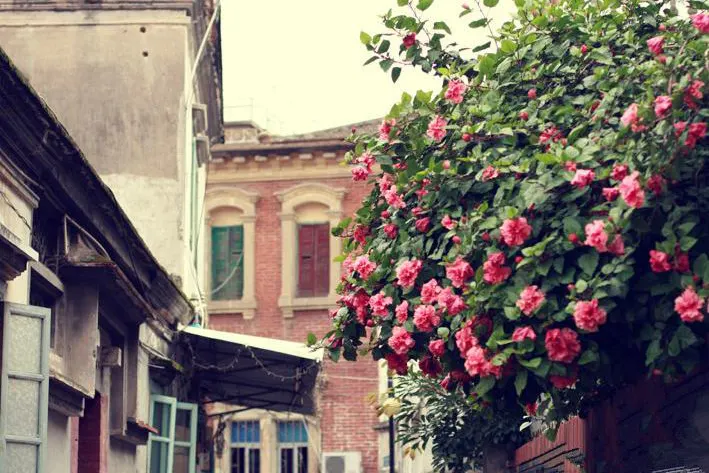
A Gulangyu lane, bougainvillea spilling over the wall and banyan shade overhead
Gulangyu: a century for the price of a boat ticket
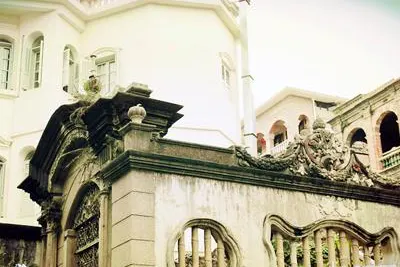
This 1.78-square-kilometre island was a multi-national concession with thirteen consulates, which is why it carries two names: Gulangyu in Chinese, and Kulangsu on the World Heritage List. It may be the densest surviving collection of foreign architecture in China, and it explains why so many Chinese pianists come from here — missionary pianos arrived in the nineteenth century and never left. Nothing motorised crosses to the island except freight carts and the electric shuttle that loops its six kilometres. Two windows are best: before 10:00, when the light is clean, and after 16:00, when visitors begin lining up for the boat home.
Sunlight RockThe highest point on the island
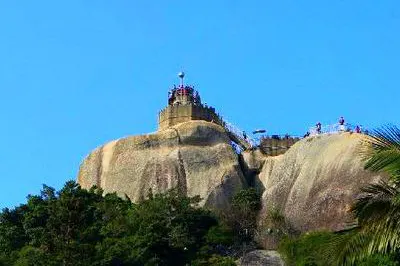
The story goes that Zheng Chenggong found the view better than the sunlight hills of Japan and renamed a rock for it. Sunlight Rock is the island's high point, reached by steep stairs; from the top you look across every red roof on Kulangsu and at the twin towers back on the mainland, and on the very clearest days local guides claim you can make out Kinmen. Go early, because after midday the platform fills and you queue for the view.
The international villas and Longtou RoadThe free seventy per cent
Only a handful of houses actually sell tickets, and roughly seventy per cent of the island is free to walk: the Bagua Mansion that holds the Organ Museum, the former British and American consulates, Lin Yutang's old home, Fanpo Mansion and Jingua Mansion, plus nameless lanes lit by a single lamp. Distances are tiny. The best method is to ignore the map entirely — walk downhill until you reach water, then climb back the other way. Longtou Road, the island's single commercial street, has all the food and prices a notch above the mainland.
The southern tip: university, temple, fortress
Inside two or three kilometres sit three of the city's best-known names, and they are practically neighbours: the temple gate faces the university gate, and the road out of the campus past Baicheng Beach reaches the sea. Walking them as one half-day loop is the least effortful sightseeing in Xiamen.
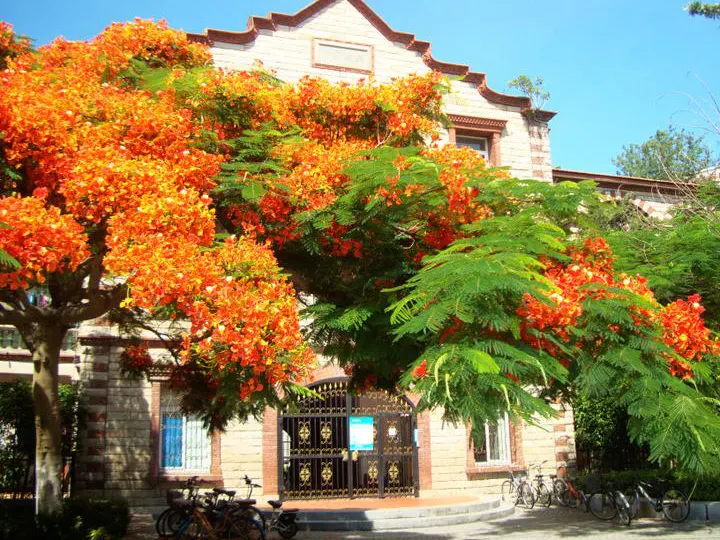
Xiamen UniversityOne of China's handsomest campuses
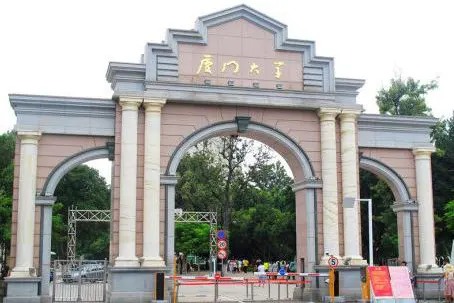
Founded in 1921 by the overseas-Chinese philanthropist Tan Kah Kee, the campus runs from hillside to sea and its older buildings are described locally as men in Western suits wearing bamboo hats — foreign brickwork under Minnan glazed ridges. Furong Lake, Lovers' Valley and the Shangxian sports field are the three names students mention. Entry now runs on online registration followed by a random draw, with numbers and time slots decided the previous day; if your number does not come up you cannot go in. The adjacent beach and the Yanwu Bridge viewing platform are unrestricted.
Nanputuo TempleFree, but book a slot
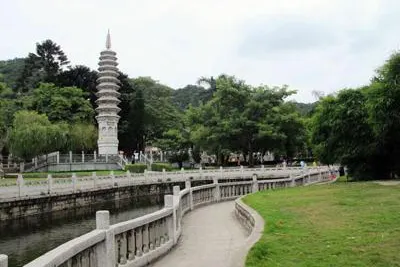
A temple since the Tang dynasty and today home to the Minnan Buddhist Academy, where the monk-calligrapher Hongyi once lived. Its halls climb the hill in tiers — heavenly kings, great hero, great compassion, sutra library — facing the sea, and the trail behind them continues up Wulao Peak for a view straight over the campus. The vegetarian refectory is famous and queues at midday. Note the current rule: free but real-name timed booking, in through the east gate and out through the west.
Xiamen Botanical GardenRainforest inside a city
Older locals still call it Wanshi. Built around a reservoir with palm collections and natural granite boulders, its signature is the misting system in the rainforest section: switched on for set periods morning and afternoon, it throws shafts of light through the spray — arguably better in the wet. The park is large, the walk in is long, and there are shuttle carts and an escalator by the south gate to shorten it. Since April 2026 no third-party platform is authorised to sell tickets online; use the official mini-program or the gate.
The ring road and the eastern shore
Huandao Road from Baicheng to HuangcuoThe ten best kilometres by bike
Huandao Road, the ring road that runs from Baicheng by the campus all the way to the Convention Centre at Qianpu, is nicknamed the golden coastline. Every spot along it has a bus stop — Baicheng, Zhenzhu Bay, Zengcuoan, Yefengzhai, Huangcuo Beach, Haiyun Terrace — so you set off and quit when you feel like it. There are public sculptures including The Waves of Gulangyu under the palms, and one stretch of red-painted surface reserved for walkers. Huangcuo faces east for sunrise, and at the western end sits Hulishan Fortress, an 1894 semi-bunker coastal battery worth stepping into for its surviving Krupp gun.
Zengcuoan and ShapoweiA fishing village turned arts quarter
Zengcuoan was a fishing village and is now the densest knot of guesthouses, coffee and late-night stalls in the city. Shapowei is its older, quieter sibling: the old typhoon shelter still holds working boats on one side and faded arcade buildings on the other. Both are better after about 16:00 when the light softens. Choose Shapowei for a coffee and boats in peace, Zengcuoan for eating as you walk; twenty minutes by bike separates them.
The old town and Jimei
Zhongshan Road and Bashi marketThe busiest kilometre in town
Zhongshan Road was rebuilt in the 1920s as an arcaded shopping street that walks straight down to the water; look at the buildings by day and the lighting by night, especially where a corner is lit like a stage. The side lanes hold the old food shops and the older houses, and are more interesting than the main street. A few minutes north is Bashi, the Eighth Market — a working wet market where seafood, meat and vegetables sit alongside snacks that exist nowhere else, and one of the cheapest lunches in the city.
Jimei School Village and AoyuanA school town paid for by one man
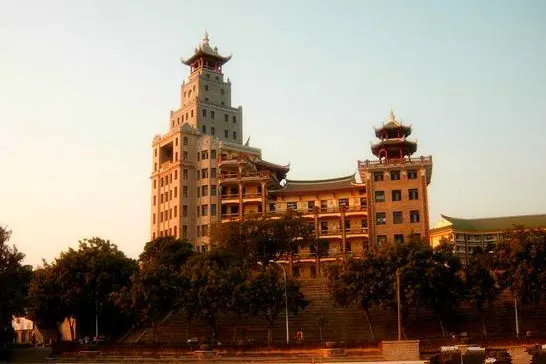
Cross the causeway and the mood changes within the hour. From 1913 onward Tan Kah Kee, the Singapore-based rubber magnate and founder of Xiamen University, financed a complete ladder of schools in his home village of Jimei — primary through university — building them with Minnan roofs over Western colonnades in what locals call the Jiageng style. Beside the campus lie the Dragon Boat Pond and Tan's own memorial garden, Aoyuan, whose carved stone panels run through Min'n an folklore and modern Chinese history in relief. It also sits on the way to both the airport and Xiamen North Station, so it is easy to fold into an arrival or departure day.
06What to do once you slow down
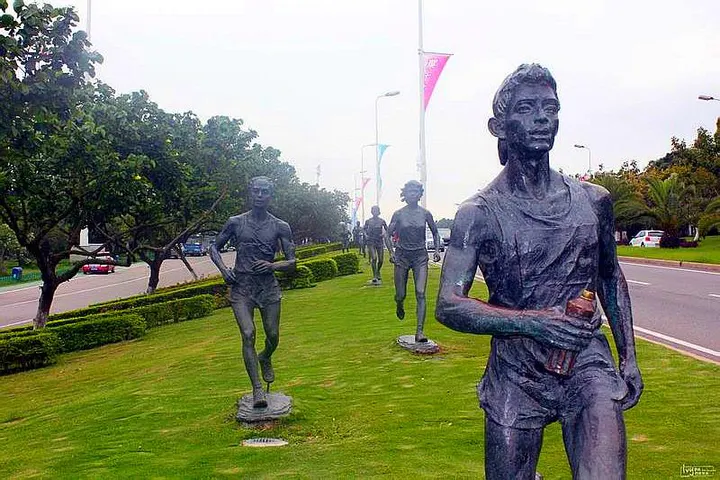
Marathon sculptures beside the ring road
The biggest day in the Xiamen year falls in January. The 2026 edition started at 07:10 on Sunday 11 January: a marathon only, 42.195 kilometres, with 35,000 places and an entry fee of US$80 for overseas runners, registration opening the previous September and drawn by ballot. Start and finish both sit at Xiamen International Conference and Exhibition Centre, and the course runs the coast — ring road, Yanwu Bridge, Lujiang Avenue and around Yundang Lake — which is to say it strings together every good-looking stretch in the city. Even if you are not running, it is worth knowing: much of that road closes to traffic, and watching it filled with runners is a fine way to spend the morning.
Running, cycling and the hill-to-sea walkway
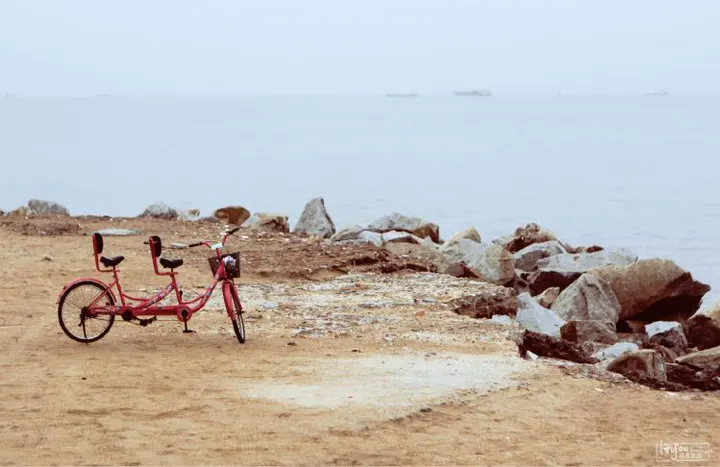
Bicycle rental stalls line the ring road at a few dozen yuan an hour, and dockless bikes are everywhere; Baicheng to the Convention Centre is under ninety minutes with the wind behind you. Above the shore a raised hill-and-sea walkway threads the wooded ridge for tens of kilometres, free, with entry points scattered through the city and sea views most of the way — go at dusk when it lights up. Runners follow the same coastline: the section past the marathon sculptures to Yefengzhai is the local after-work loop.
Getting on the water: sailing and the Kinmen run
Wuyuan Bay is Xiamen's sailing base, with clubs taking beginners out when conditions allow. The more accessible option is the sightseeing boat from Xiamen Ferry Pier that loops out towards the Kinmen islands, about half an hour depending on the route. Fares and schedules shift with season and operator, so confirm at the pier or through official channels on the day and ignore anyone touting with a placard. Under a typhoon warning anything on the water stops.
Bo bing: the Mid-Autumn dice game
If you are here around the fifteenth day of the eighth lunar month — 25 September 2026 — try bo bing at least once. Tradition says Zheng Chenggong's officer Hong Xu invented the dice game to distract homesick soldiers; today it is the fixed feature of a Minnan Mid-Autumn gathering. Six dice go into a porcelain bowl and throw combinations named Scholar, Chancellor, First Red and so on, winning prizes from toothpaste to a television. The point is the omen rather than the prize, and shops and hotels set the bowls out in the weeks before the festival — ask and you will be waved in.
Sitting over tea
Minnan people drink tea from morning to night and Tieguanyin, grown in neighbouring Anxi county, is the default answer. Teahouses are scattered through the old town, along Yundang Lake and down Nanhua Road, and the menus come with the full gongfu vocabulary — lidded cup, aroma cup, fairness pitcher. Coverage charges, snacks and how many infusions you get vary wildly, so ask before you sit.
The year in brief
January — marathon day, and one of the driest stretches of the year.
March to May — pleasant temperatures and the flame trees about to bloom.
May to June — the plum rains, humidity above 85%; museums and cafés instead.
July to September — typhoon season, peaking in August; keep the plan flexible.
September and October — moondice festival and National Day crowds side by side.
October to December — dry and clear, 19–20°C by day; arguably the best window of all.
07Choosing a district decides how you travel
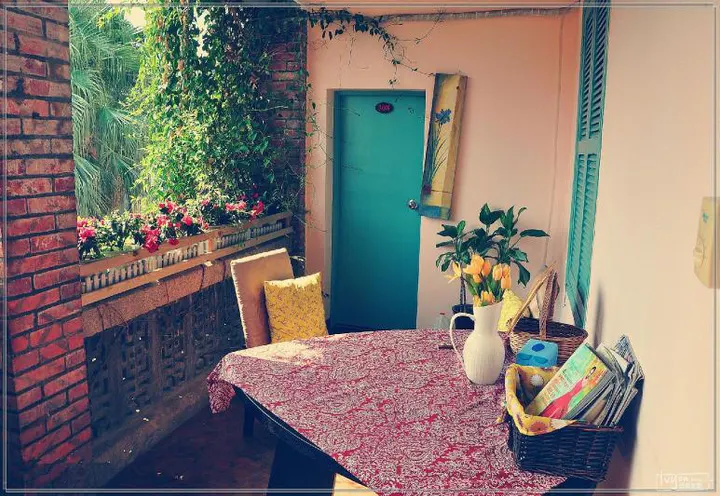
A balcony corner in an old villa guesthouse
The island is small enough that nothing is genuinely far, but which district you choose still decides how your days feel. Ask three things: how close you are to the streets you will use most, how few transfers you need to make with luggage, and whether you want quiet or noise — in Xiamen you rarely get both.
Zhongshan Road and the ferry piers (old town)
The safe choice for a first visit. You are within ten minutes' walk of the ferry piers, with buses, the metro, Bashi market and every snack street on the doorstep, and the lights are already outside when you step out at night. The trade-off is noise: the arcade shopping street does not go quiet until late, worse at weekends. Mid-range rooms commonly run ¥250–500, higher in peak season and holidays.
Zengcuoan and the ring road (by the sea)
For people who want the sea. Mostly guesthouses and small inns, with the ring road at the end of the lane and easy riding to Baicheng, the university and Nanputuo; the cost is commercial density, evening crowds and needing a taxi to reach the old town. Budget roughly ¥70–150 for a hostel bed, ¥300–800 for a sea-facing guesthouse.
On Gulangyu itself
There is one reason to do it: atmosphere. Once the tour groups leave the island holds nothing but piano practice and footsteps on stone — quiet the mainland cannot offer. The costs are concrete, though. Expect to drag a suitcase over cobbles and steps for ten minutes, rooms are often small and damp, prices run a notch above the mainland — commonly ¥400–1,000 — and the best-known villa guesthouses need booking a month ahead. One night is usually the right amount.
Jimei and beyond
Jimei is where the chain hotels offer the best value, close to Metro L1 and sensible if you have an early train from the northern station or want a full day at the school village; it empties out at night. Book ahead for holidays: during Spring Festival, the May Day break and National Day, room rates commonly double or triple while trains and flights tighten simultaneously. Shift your dates if you can.
Check the actual distance to a metro station — some listings reading near metro mean a twenty-minute walk.
Converted villas and guesthouses are often damp; if that bothers you, pick a modern hotel with proper ventilation.
Noise carries in old buildings — read reviews mentioning soundproofing for Zengcuoan and Zhongshan Road rooms.
If you are visiting the island for a single day with heavy luggage, leave your bag on the mainland.
08Twenty-four hours starting with a bowl of noodles
Xiamen cooking belongs to the Fujian family and aims at clean, fresh, light, crisp flavours, borrowing freely from Taiwanese and Teochew kitchens. Seafood plays the lead, seasoning stays restrained, and savoury depth comes from stock rather than spice. The density of snacks is remarkable: the same dish changes recipe from block to block and every local has an opinion about the best version. Prices are kind — ¥10–20 buys breakfast, ¥40–80 per head makes a proper dinner.
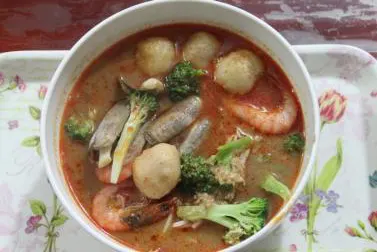
A breakfast bowl of sha cha noodles
The short list
Sha cha noodles — noodles in Xiamen's savoury-sweet satay broth, built on shrimp paste, garlic, five-spice, curry and sesame. Choose your own toppings: prawn, squid, tofu, liver. Usually ¥15–30 a bowl.
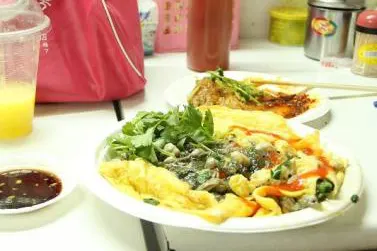
Hai li jian, the oyster omelette — tiny local oysters bound with sweet-potato starch, fried until the edges crisp, eaten with chilli sauce.
Mian xian hu, thin noodle porridge — noodles almost too fine to see, simmered in seafood stock, with fried dough sticks dipped in.
Tusundong, jelly made from a local marine worm: pale, faintly crisp, dressed with garlic, mustard or soy. If you can accept what it is, it is one of the most distinctive things here.
Peanut soup, simmered until the nuts collapse and the liquid turns milky; crack a raw egg into the boiling bowl if you want it richer.
Ginger duck — duck braised dark in sesame oil and old ginger; the winter queues are earned, and people take the ginger home to braise with later.
Fried five-spice rolls — minced pork, water chestnut and spring onion in bean curd skin, deep-fried and cut into pieces.
Pork zongzi, crisp-skinned bianshi dumplings, bowl-steamed rice cakes, and grass jelly heaped with taro balls and red beans on summer afternoons.
Oyster omelette straight off the hotplate
Where to eat it
Breakfast belongs to Bashi, where the boats land: noodle porridge, peanut soup, fried dough and soy milk made by the woman running the stall. Midday belongs to old names around Zhongshan Road and the Taiwanese snack street on Datong Road, which gathers representative stalls from the night markets of Kaohsiung, Taipei and Keelung. Evening means late eating — seafood stalls at Zengcuoan, the long-running counters off Zhongshan Road, places that stay open past midnight. For quiet, head for Shapowei or the lakeside.
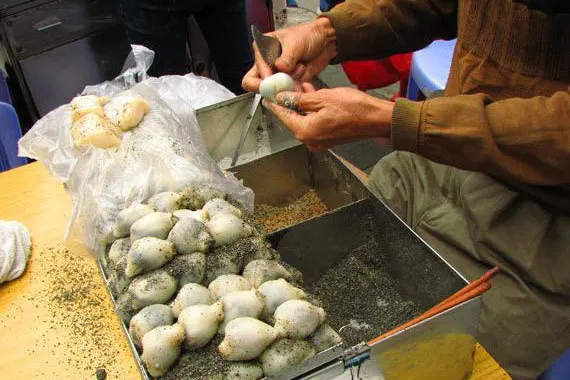
Mochi pounded to order in peanut and sesame sugar
Seafood without the sting
The rules are simple. Look at the live tank, agree whether you are paying per 500 grams or per piece, and watch the scale before anything hits the wok. The standard method is to buy at the market yourself and carry it to a cook-to-order counter that charges by the dish — steamed, blanched, salt-and-pepper all priced differently — or order in a restaurant after seeing the weight. Do not follow touts into whatever place they recommend; those are commission shops. Prices swing with season and catch, so there is no fixed figure to memorise. Bring stomach medicine: seafood plus thirty-degree heat asks for a day of adjustment.
Tea and something sweet
Tieguanyin is the baseline, but try Baiya Qilan from Pinghe county when you find it. For sweet things remember three: peanut soup, grass jelly, and the hundred-year-old pastries — mung-bean paste baked with lard, the crust shattering, best with tea. Buy pastries on the mainland; the identical box costs noticeably more on the island.
09What travels home well
Everything worth carrying home falls into three baskets: things you eat and drink, things people make by hand, and things from the sea. Buy specialist goods on the mainland rather than on Gulangyu — the same box of pastries, the same bag of dried pork, costs noticeably less around Zhongshan Road and Datong Road than on Longtou Road.
The local list
Pastries: mung-bean sweet or minced-pork savoury, sold freshly baked at old shops under the old Gulangyu label.
Tieguanyin tea from nearby Anxi — loose leaf beats gift boxes on value, and sellers will brew you a sample first.
Dried pork floss, pork jerky and handmade nougat in flavours from tea to mugwort.
Dried seafood — shrimp, squid scallop — best bought at supermarkets or Bashi market rather than souvenir shops.
Bead embroidery and lacquer-thread carving: the former builds raised patterns from glass beads, the latter coils lacquer threads onto a form.
Dried longan from Tong'an — sweet, warming, the sort of thing you bring older relatives.
Which streets
Zhongshan Road covers most needs — department stores, heritage pastry shops and the small lanes at its edges. Datong Road has the same density of old businesses and lets you shop while eating. Bashi works for dried goods if you come early. Longtou Road on Gulangyu is the island's only commercial street, where postcards, stamps and souvenirs cluster; SM City and MixC are the air-conditioned one-stop answers.
Small print
Haggling works for tea and crafts, less so at heritage bakeries and supermarkets.
Ask for receipts on dried seafood and expensive crafts; they matter if you need to return something.
Buy postcards on the mainland and carry them over — the island post office charges standard postage, but cards sold there cost more.
Do not treat antiques or scroll paintings as souvenirs; the pricing on those is wildly elastic.
10In, across and out
Rail — choose your station first
Two main stations serve Xiamen. Xiamen Station is on the island in Siming, with Metro L3 at the exit and ten minutes to Zhongshan Road — the choice for anyone staying in the old town or short on time. Xiamen North Station sits in Jimei on the mainland and carries most of the traffic: the Fuzhou–Xiamen high-speed line starts and terminates many of its trains here, and Fuzhou is about an hour away; reaching the old town means roughly forty minutes on Metro L1, or forty minutes and up by taxi outside rush hour. Typical timings are Fuzhou South to Xiamen in 1–1.5 hours, Shenzhen North about 3.5–4 hours, Shanghai Hongqiao roughly 5–6 — confirm against the official timetable when you book. Check the ticket carefully: one character separates your arrival from ninety extra minutes of transfers.
Air — the airport moves this winter
Xiamen Gaoqi International Airport (XMN) is one of the few Chinese airports effectively inside its city: ten kilometres from the centre, twenty to thirty minutes and roughly ¥20–30 by taxi to the old town, which is exactly what visitors praise about it. One significant change: published civil-aviation plans move all civil operations to Xiamen Xiang'an International Airport on Dadeng Island around the end of December 2026, keeping the XMN code but sitting about 25 km from downtown, with a thinner choice of public transport in its first months. If you fly around the turn of the year, verify the airport and your transfer route before departure. At Gaoqi there are two terminals — T3 for Xiamen Airlines, China Southern, Hebei Airlines and all international or regional flights, T4 for most other domestic carriers — linked by a free shuttle.
Crossing to Gulangyu
This is the one leg you must plan in advance. Daytime visitor sailings leave from the Xiamen–Gulangyu Pier at Dongdu (roughly 07:00–18:00), switching after dark to Xiamen Ferry Pier beside Zhongshan Road; you can board back from either Sanqiutian or Neicuo'ao within the twenty-day window that comes with your ticket. Everything is online and real-name at ¥35 return, released fifteen days ahead and hotly contested over holidays. The ¥8 commuter route is for residents only during the day — do not queue at it. Full rules are in the questions chapter.
Around town: metro, BRT, bus, taxi
Three metro lines are running, with Metro L4 and Metro L6 entering trial operation in September 2026; stations are bilingual on signage and screens, which together with a translation app makes navigation painless. Fares are distance-based, starting at ¥2 for the first four kilometres and rising in steps — most city rides land between ¥2 and ¥8, with a 10% discount using the transit card or official app. Standard buses cost about ¥1 and the QR codes live inside Alipay or WeChat. The elevated BRT genuinely beats taxis in peak hour and runs around ¥1–5. Since 1 February 2026 taxis use a floating tariff with baseline rates of ¥10 for the first three kilometres plus ¥2 per kilometre, a 50% surcharge beyond eight kilometres, 20% between 23:00 and 05:00, and a permitted swing of ±20%. Insist on the meter and refuse flat-rate offers.
Bikes and walking
The combination that works here is feet plus wheels: walk until the banyan shade runs out, then ride to the next shade. Dockless bikes are barred from pedestrian zones and certain carriageways, and Gulangyu bans both bicycles and e-scooters entirely — walking only. Riding along the ring road is worth doing once; rental stalls and return points are dense along it. Expect strong wind off the sea in winter and sudden showers in summer, so bring shoes you do not mind soaking.
Airport to the old town: about 20–30 minutes and ¥20–30 by taxi; the airport bus is a flat ¥10 or so.
North Station to the old town: Metro L1 in about forty minutes for roughly ¥6–8; a taxi runs forty minutes off-peak.
Xiamen Station to the old town: two metro stops, about ten minutes — not really a journey at all.
To Zengcuoan and the ring road: bus 29 follows the coast and is the cheapest tour bus in town.
Gulangyu ferry: online and real-name only, through the official WeChat mini-program or the Xiamen Ferry Company Alipay channel, released fifteen days ahead at ¥35 return.
Xiamen University: register through the university booking account or mini-program three days ahead; a lottery decides entry, and successful bookers must carry the original ID.
Nanputuo Temple: free timed bookings up to four days ahead via the temple's mini-program; enter at the east gate and leave by the west.
Money, cards, connections
Cards issued abroad can be linked to Alipay or WeChat Pay directly, which covers the metro, buses, the BRT and shared bikes; set it up before you land, or buy roaming or an eSIM data package at the airport. Every reservation, payment and ride-hail depends on your phone. Bank branches and cash machines are dense through the old town and business districts, including local and foreign-owned institutions alongside the big four.
Health
Xiamen's large public hospitals cluster in Siming and Huli, with procedures set up for out-of-town patients; pharmacies are everywhere. Buy travel insurance that covers outpatient care as well as admission, and check that it includes itinerary changes caused by typhoons. If you have serious seafood or alcohol allergies, keep a note of them saved in Chinese to show a doctor.
Safety and people
Xiamen is among China's safest-feeling cities and walking the old town alone at night rarely produces trouble. What deserves respect is the weather: surf during storms, wet rocks, afternoon thunderstorms in summer, and rip currents when you swim. Only swim where the beach is staffed, and stay out when warning flags go up. Language will not defeat you — sights, hotels and big restaurants usually have English menus, while snack stalls run entirely in Chinese, though pointing at what the person next to you is eating works surprisingly well.
Sending things home
Post offices and courier counters are dense on the island, and hotel reception desks usually post parcels for guests. When buying crafts or tea, settle shipping and fragile packing at the counter, and always keep the tracking number for anything valuable.
12What to pack, what to confirm
When to come
October to December is the consensus pick: dry, little rain, about 19–20°C by day and around 12°C at night, with sea breeze enough to want a second layer. March to May comes second, humid but full of flowers. July to September is typhoon season with August the busiest month — keep slack days and watch the forecasts. May and June are the plum rains above 85% humidity, when nothing dries and indoor plans win. During Spring Festival and National Day, room rates commonly double or triple; shift dates if you can.
Packing list
Flat shoes that handle cobbles and steps: neither Gulangyu nor the old town forgives heels.
A light windproof layer even in summer, since the coast is breezy at night, plus a sweater in winter.
An umbrella that handles sudden rain — plum rains in early summer, thunderstorms in August, squalls in winter.
Sunscreen and insect repellent: the sun is strong most of the year and mosquitoes gather near water and hillside.
Stomach medicine and your usual remedies; seafood plus humidity treats some digestion unkindly.
A power bank and a universal adaptor: navigation, payment codes and photography drain a phone fast.
One week out
Book the ferry — released fifteen days out — and keep the same document close at hand.
Set alarms: university registration closes at 16:00 and results publish at 20:00.
Reserve a temple slot and re-check it a day or two before you travel.
Save your hotel address, name and phone in Chinese to hand to drivers.
Install and sign in to map, ride-hail, payment and translation apps, and link your foreign card.
Check the national typhoon page, particularly between July and September.
13How a treaty port became a garden city
Land and weather
Xiamen covers more than 1,500 square kilometres of land and over 300 of sea, taking in Xiamen Island, Gulangyu, the coastal strip north of the Jiulong River and Tong'an, split among six districts — Siming and Huli on the island, Jimei, Haicang, Tong'an and Xiang'an on the mainland. The island itself runs 13.7 km north to south and 12.5 km east to west, Fujian's fourth largest. The climate is maritime subtropical: mild and wet, around 21°C annually with roughly 1,200 mm of rain concentrated in May to August. Because of the Pacific pressure pattern, four or five tropical storms affect the city each year, mostly between July and September.
History
A busy port since Song times, Xiamen became the base from which Zheng Chenggong resisted the Qing and financed his campaigns, running trading houses through its harbour; his statue still stands at Haoyue Garden on Gulangyu. The Qing set up a Fujian customs house here in 1684, and in 1842 the Treaty of Nanjing made Xiamen one of five treaty ports — most Chinese tea left the country through this harbour. In 1902 Gulangyu became an international concession with thirteen consulates, churches, schools, hospitals and villas, which is what the city now markets as its international architecture. Japanese forces occupied Xiamen from 1938 to 1945; afterwards it sat on the front line between the two sides of the strait, which stalled industrial development until the Special Economic Zone designation of the 1980s turned everything around.
Minnan culture
Xiamen sits in the Minnan cultural region and speaks the Xiamen–Zhangzhou–Quanzhou branch of Southern Min. Beyond the Han majority and small She, Hui and Manchu communities, its defining characteristic is emigration: this is a famous hometown of overseas Chinese, most families have relatives abroad, and remittances built the schools and arcaded streets. Religion is layered, too — alongside Buddhism and Daoism, people worship local figures promoted to deity status, such as the healing god Baosheng, the sea goddess Mazu and the Qingshui patriarch, and clan genealogies and ancestral halls remain in use. The local slogan that one must strive to win describes accurately enough a culture shaped by going to sea to trade.
Xiamen today
A Special Economic Zone and a city with its own budget line, it is also one of the most frequently used gateways across the strait, with ferries from Wutong Pier to Kinmen just offshore. The balancing act is deliberate: the port remains strategically important while the city sells a reputation for ease. For a traveller that translates into days where you can see a nineteenth-century gun emplacement and a century-old campus before lunch, and do absolutely nothing all afternoon.
14Out of Xiamen: earth towers, Quanzhou, tea hills
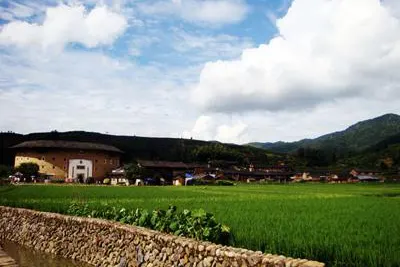
Tulou clusters among the fields of Nanjing county
Xiamen itself fills about three days. Anything beyond that is best spent in two directions: southwest into the hills of Nanjing county for the Fujian Tulou, or north to the older trading port of Quanzhou. With more time still, Mount Wuyi is inside high-speed rail range, though it needs two days at least.
The Fujian Tulou (Nanjing)
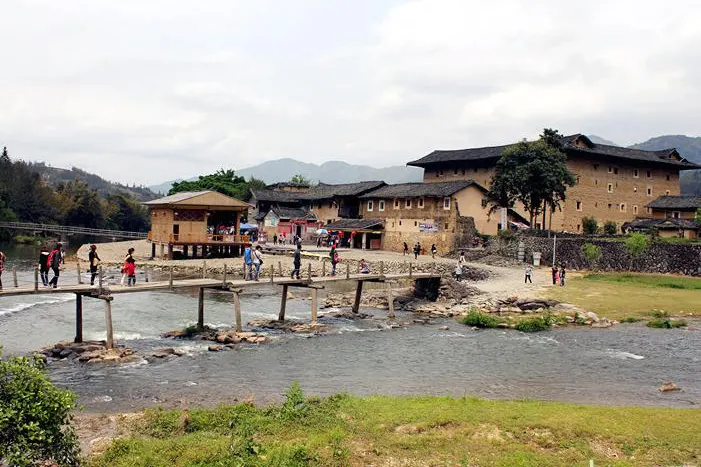
The Fujian Tulou, those fortified earthen houses, are vast rammed-earth apartment fortresses built for clan defence by Hakka and Minnan families; Nanjing county holds more than fifteen thousand of them, four clusters of which joined the World Heritage List in 2008. Getting there: trains run from either Xiamen station to Nanjing in 30–50 minutes, second-class commonly ¥25.5–35.5, then either the tourist bus — about an hour, around ¥15, last bus near 17:30 — or a shared car straight to the scenic area in forty minutes. Yunshuiyao is usually quoted at ¥80–90, Tianluokeng about ¥60, and combination tickets around ¥150–160, with residents asking another ¥5–10 to climb inside their own building; operators revise these numbers, so read the current official notice. The single best piece of advice runs against most itineraries: stay the night.
The Tianluokeng clusterThe four dishes and a soup
Seen from the viewpoint on the hillside, one square tower sits inside a ring of four round ones — Buyun in the centre, with Ruichang, Hechang and the oval Wenchang around it — a layout locals call four dishes and a soup. Walk down into it and you find five separate buildings belonging to different families, still inhabited. The sight after dark, when the courtyards light up, is worth the climb by itself. Nearby stands Yuchang, the leaning tower, built around 1368 with verandah pillars canted by fifteen degrees that have somehow held for six centuries.
YunshuiyaoA village along a cobblestone path
Once called Changjiao, the village renamed itself after the 2006 film shot here. It spreads along a stream under a dozen ancient banyans with a kilometre-long cobblestone path between them, once the trade route from Changting to Zhangzhou. Two towers on the World Heritage List anchor either end: Hegui, built in 1732 and reputedly standing on marshy ground, the tallest known square tulou with two wells eighteen metres apart — one clear, one brackish; and Huaiyuan, the most finely built of all, a double-ring circle. Families still cook, wash and dry grain inside them, which is the real difference between a living village and a sight.
Quanzhou: another old port, an hour away
If Xiamen is the modern treaty port, Quanzhou is the medieval one — described by Marco Polo as one of the greatest harbours in the world and the starting point of the maritime Silk Road in Song and Yuan times. Kaiyuan Temple, the ancient mosque at Qingjing and a dozen other faiths' buildings stand within a few streets of each other. Trains are frequent and typically take between half an hour and an hour; check current times and fares with the railway before you go. Many travellers conclude that Quanzhou deserves its own two days rather than a day trip squeezed out of Xiamen.
Mount Wuyi: two days minimum
Mount Wuyi lies in northwestern Fujian: classic Danxia red-rock scenery, the Nine-bend River and the remains of the Neo-Confucian academies that made the place famous, inscribed as a mixed cultural and natural World Heritage site in 1999. The draws are the bamboo rafts down the river, the climb to Heavenly Tour Peak and the mother bushes of Da Hong Pao tea. Reaching it means a train plus a transfer, or a flight; the time cost is real, so plan it as a trip in itself. With only five or six days, staying around Xiamen and the Tulou is the better value.
15Xiamen on film, in print and in song
The Minnan everyday
Three things carry the local aesthetic: nanyin, an ancient chamber music preserved with instruments and vocal style unchanged since Tang-era court modes; gezai opera, the Minnan regional theatre that still plays at temple festivals; and the deity processions for Baosheng and Mazu that take over streets in spring and autumn. Add to that the puppetry that only locals fully follow.
Film
"Crazy Racer" (2009, dir. Ning Hao): a black comedy whose four plotlines collide across Xiamen; the ring road, Yanwu Bridge, the old airport, Gulangyu and Zhongshan Road all appear, and you will keep recognising streets you just walked. "The Knot" (2006) spans Tibet and Taipei, but it was filming here that renamed a village in Nanjing county Yunshuiyao — you can still match its scenes to the towers.
Books
Shu Ting, "True Water Has No Scent": the Misty Poet writing about her native Gulangyu in five sections that read like a private gazetteer of the island — she dedicates it to the source of her life. Gao Zhenbi, "Falling for Old Xiamen": a documentary director's record of the vanishing old town, useful as a walking guide to piers, lanes and old shopfronts.
Music
Beyond nanyin, look for "The Waves of Gulangsu", which is close to a city anthem — the ring road's central reservation is planted in the shape of its score. In pop: Chen Sheng's "Let's Go Get a Perm in Xiamen", dialect guitars and a slightly unruly cheer; Zhao Yiwei's "That Summer on Gulangyu", which matches the mood of a long school holiday. And if you catch strains of scratchy recordings drifting over the old town late at night, that will be the ferry or someone's old records.